















The tan is fading, the nights are drawing in, and if your skin has felt a little "off" the last couple of weeks, tight after cleansing, flaky around the nose, dull despite your usual glow routine, you're not imagining it. This is the classic September skin slump, and it's completely predictable once you know what's actually changing.
Korean skincare has always been built around reading the skin and adjusting little and often, which makes it the perfect philosophy for this exact moment. You don't need to bin your entire shelf, you need to know which steps to soften, which to strengthen, and which ingredients earn a place in your routine for the next few months.
Signs your routine needs a seasonal switch
Skin feels tight or "squeaky" within minutes of cleansing
Flaky patches appearing around the nose, mouth or eyebrows
Foundation or SPF sitting unevenly or clinging to dry areas
Products that used to feel calming now sting slightly
A dull, tired look that a facial mist alone doesn't fix
If two or more of these sound familiar, it's time to make the switch rather than push through with your July routine.
What's actually changing on your skin
Warmer air holds more moisture, so over summer your skin barrier gets a helping hand it doesn't even notice. As humidity drops and central heating starts creeping on in the evenings, that ambient moisture disappears, and whatever felt "just right" in July can suddenly feel like it's not doing enough. On top of that, oil production naturally slows as temperatures fall, sun exposure over the summer months has left many barriers a little more sensitised than usual, and cooler air means we're all washing our faces in hotter water, which strips moisture further. None of this is a flaw in your routine — it's just a different set of conditions that calls for a different balance of ingredients.
Ingredient spotlight: what to look for now
A few ingredients do most of the heavy lifting in a good autumn transition. Here's what to keep an eye on the ingredient lists for:
| Ingredient | What it does | Why it matters right now |
|---|---|---|
| Ceramides | Rebuilds the lipid "mortar" that holds skin cells together | Directly repairs the barrier damage that dry air accelerates |
| Centella Asiatica (Cica) | Calms redness and supports healing | Soothes skin that's still sensitised from summer sun exposure |
| PDRN (salmon DNA) | Supports skin repair and regeneration | Helps skin recover its resilience as conditions change |
| Panthenol (Pro-Vitamin B5) | Locks in moisture and reduces irritation | Comforting for the tightness that comes with drier air |
| Probiotics & fermented extracts | Support a balanced, resilient skin microbiome | Helps skin adapt as its environment shifts |
| Hyaluronic acid | Draws and holds water in the skin | Compensates for the humidity you're losing from the air |
| Propolis | Antioxidant and mildly antibacterial, very nourishing | Restores bounce and glow to tired, dull-looking skin |
| Rice & rice water | Brightening and deeply moisturising | A gentle way to add hydration without heaviness |
The 7-step routine switch
1. Soften your cleanse
Summer cleansers are built to cut through SPF, sweat and sebum, which usually means something a bit more stripping. As the air dries out, that same cleanser can leave skin squeaky and tight — the first sign your barrier needs a break. Keep double cleansing (it's still the right method), just swap in softer textures.
- ilso Super Melting Sebum Cleansing Oil (£20.50) a non-stripping oil cleanse with centella and chamomile that melts away SPF and makeup without leaving skin tight afterwards.
- Hanskin Pink Lotus PDRN Hyaluron Gel To Foam Prep Cleanser (£11.00) a low-pH second cleanse with PDRN and hyaluronic acid, so it finishes the job while adding hydration rather than stripping it.
Tiam
2. Dial back the exfoliation
If you leaned on AHA/BHA toners a few times a week to keep summer congestion in check, this is the month to pull back. Drier air plus over-exfoliation is exactly how sensitised, flaky patches start, so aim for once or twice a week rather than daily.
- Beauty of Joseon Green Plum Refreshing Toner: AHA + BHA (£16.00) gentle enough to keep in rotation at a reduced frequency, so pores stay clear without compromising the barrier.
- Celimax Ji Woo Gae Heartleaf BHA Peeling Pad (£15.90) heartleaf extract takes the edge off the acid, making this a comfortable once-a-week option for reactive skin.
3. Reach for a richer, hydrating toner
This is where the real transition happens. A toner that felt refreshing in the heat can now read as thin. Look for something built to flood skin with moisture rather than just prep it.
- Heveblue PDRN Salmon Caring Centella Toner (£26.50) — pairs PDRN with centella to calm any redness left over from summer sun exposure while topping up hydration.
- Cell Fusion C Glass Skin Toner (£15.00) — a lighter, more affordable hydrator if your skin isn't quite ready for something heavier.
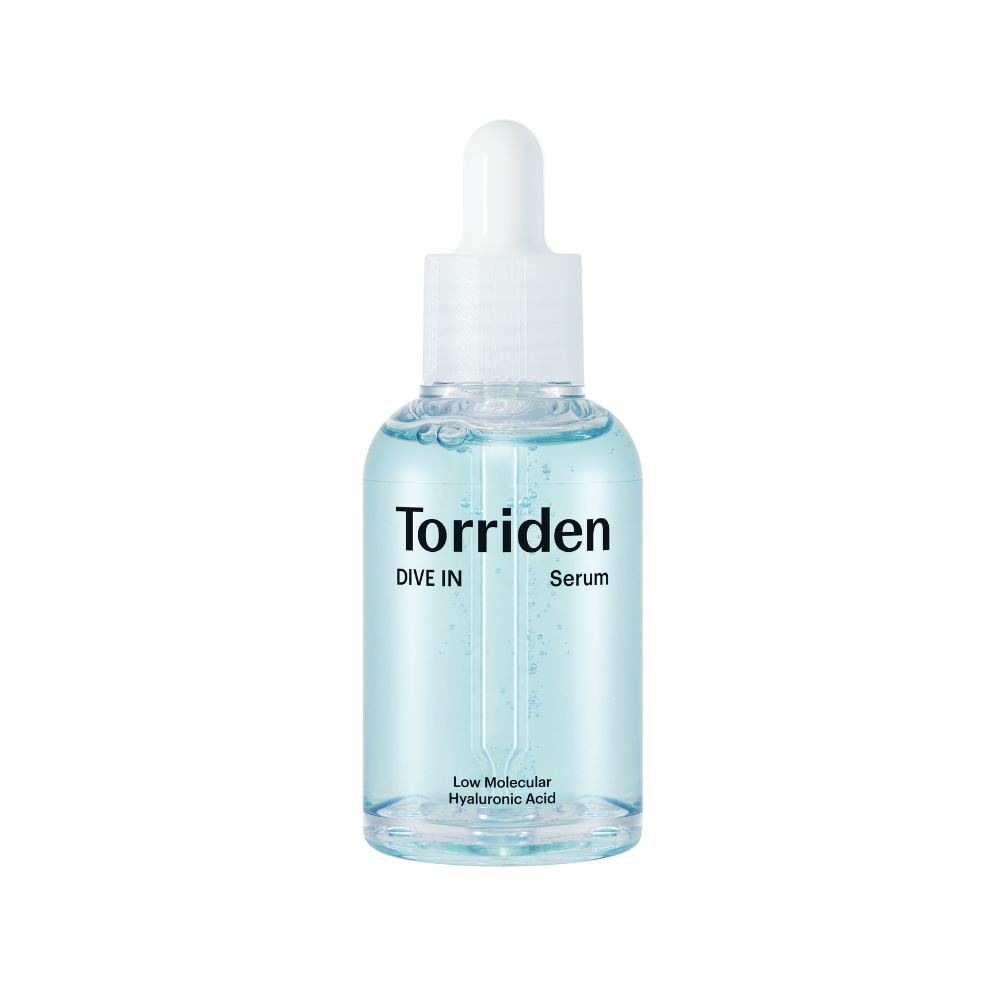
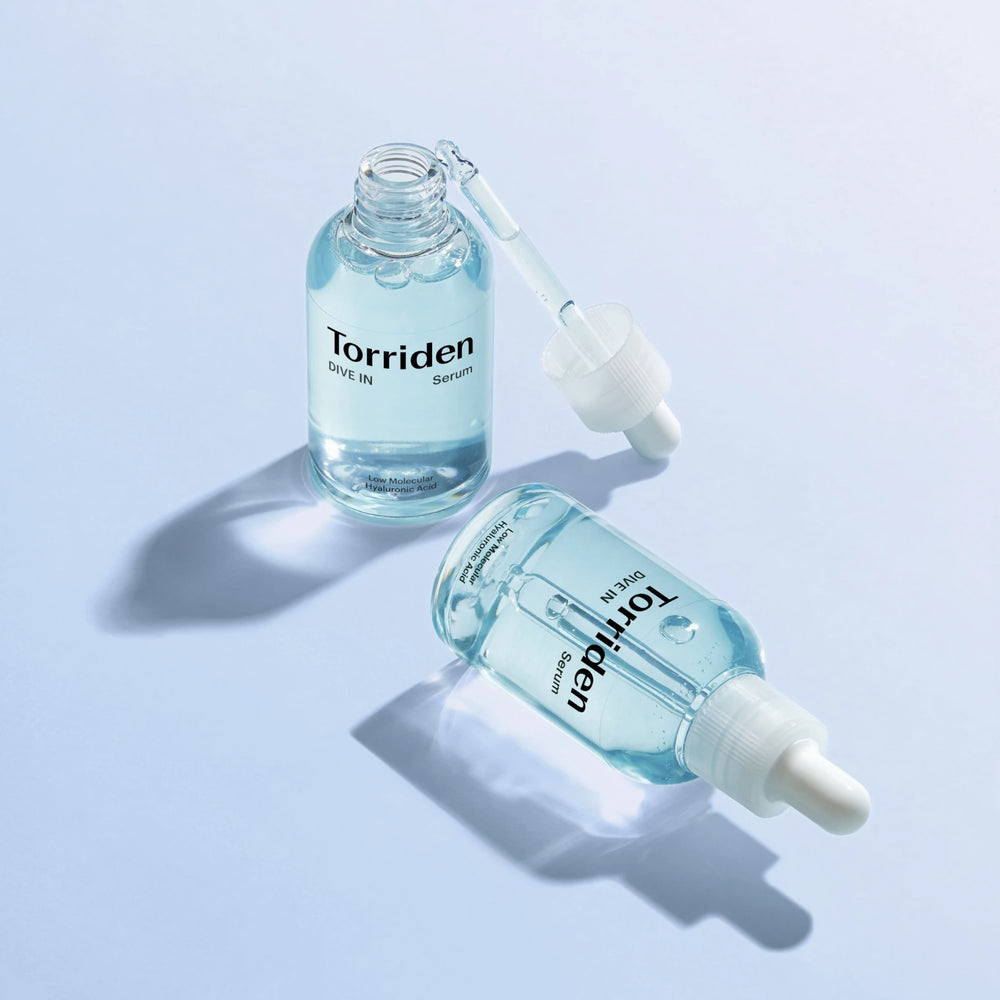
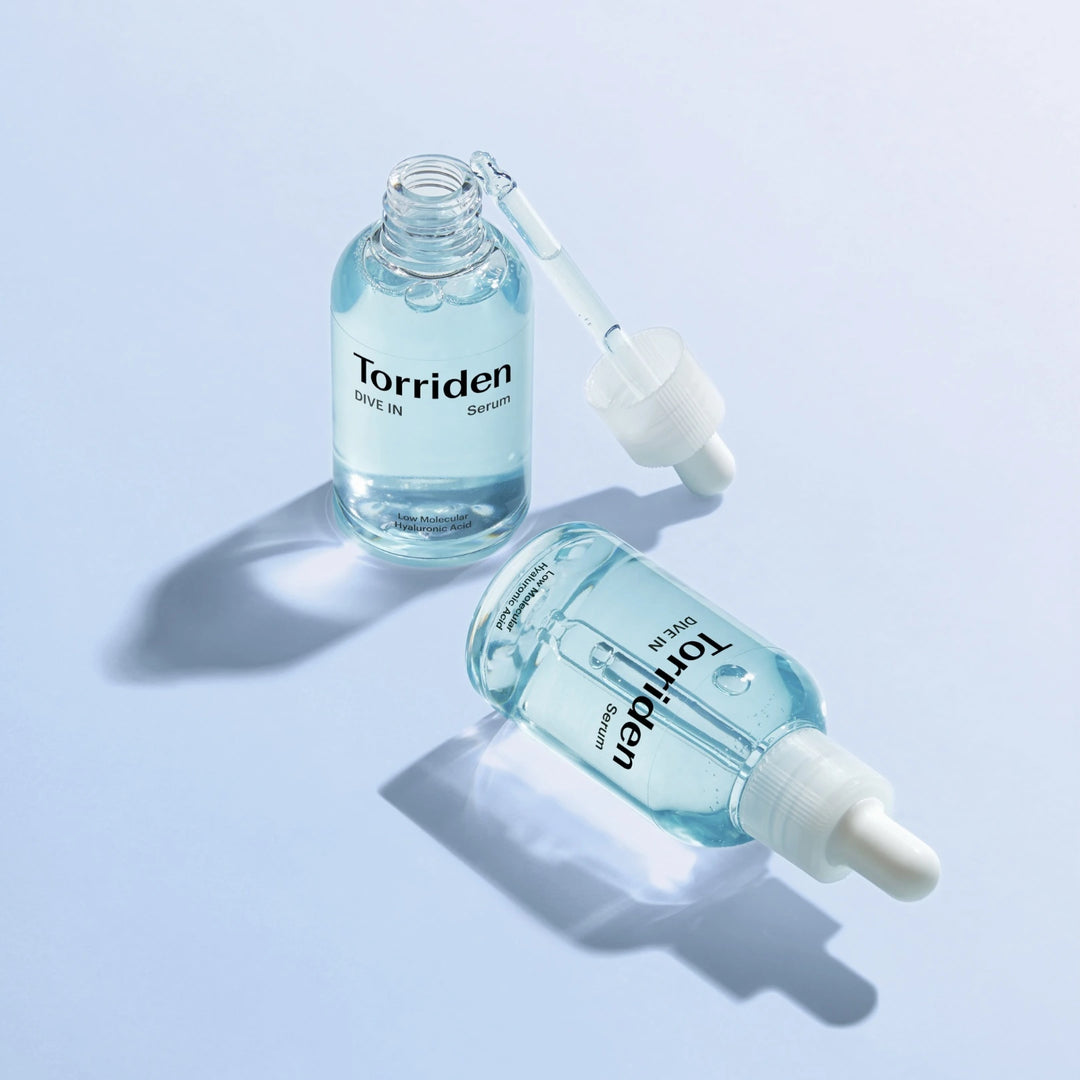
- Torriden DIVE-IN Low Molecular Hyaluronic Acid Toner (£18.00) — if you already love the cult DIVE-IN line, this is the multi-weight hyaluronic acid version worth keeping on hand.
4. Layer in a barrier-focused essence
Essences are where you can start actively repairing rather than just maintaining. Autumn is the moment to bring in ingredients like propolis, fermented rice and probiotics that rebuild the skin barrier itself, so the rest of your routine works harder.
- By Wishtrend Propolis Energy Boosting Essence (£13.20) a cult favourite for restoring bounce to dull, tired-looking skin.
- Haruharu WONDER Black Rice Probiotics Barrier Essence (£20.90) fermented black rice and probiotics for a comforting, barrier-strengthening layer.
- MIXSOON Bean Essence (£27.00) fermented soybean extract in a jelly texture that gently exfoliates while it balances moisture, a good option if your skin is still on the oilier side.
5. Upgrade your moisturiser
This is the step people skip, and it's the one that matters most. A gel-cream that kept summer skin balanced usually can't hold up once heating and cooler air arrive, cue the tight, flaky patches by mid-morning. Move up to something with more slip and staying power.
- Real Barrier Extreme Cream Original (£26.00) — a cult K-beauty staple built specifically for barrier repair, ideal if summer left your skin reactive or sensitised.
- ATOPALM MLE Cream (£20.00) a ceramide-rich formula for anyone whose skin turns properly dry once the temperature drops.
- Edit.B Moisturizing Calming Artemisia Ceramide Cream (£13.00) a budget-friendly pick that still delivers ceramides and artemisia for calming, everyday hydration.
6. Keep the SPF: just make it feel nicer to wear
The single biggest transition mistake is dropping SPF once the sun feels weaker. UV damage doesn't clock off in September, and this is peak season for the pigmentation and fine lines that summer sun exposure set in motion to actually show up. The fix isn't skipping sunscreen, it's choosing a more nourishing one now that you're not fighting sweat and humidity all day.
- Beauty of Joseon Relief Sun: Rice + Probiotics SPF50+ PA++++ (£17.40) a hydrating, dewy-finish sunscreen that doubles as a moisture top-up.
- SKIN1004 Madagascar Centella Hyalu-Cica Water-Fit Sun Serum SPF50+ PA++++ (£18.00) lightweight and soothing, good for skin that's still feeling a bit sun-sensitised.
- Haruharu WONDER Black Rice Moisture Airyfit Daily Sunscreen SPF50+ PA++++ (£15.90) an airy, moisturising finish for everyday wear once you're layering more products underneath.
7. Bring back weekly sheet masks
A weekly mask is the easiest way to give your barrier a proper hydration reset while the rest of your routine catches up with the season. Keep a mix in rotation for whenever skin feels especially parched.
- SKIN1004 Madagascar Centella Watergel Sheet Ampoule Mask (£2.20) — soothing and quick to absorb, perfect for a mid-week top-up.
- MIZON Joyful Time Essence Sheet Mask (£1.97) an affordable way to rotate through different ingredients depending on what your skin needs that week.
- Dr. Ceuracle Ganghwa Rice Granule Mask Pack (£22.40) a wash-off rice mask for a deeper, once-weekly nourishing treatment.
Don't forget your eyes and lips
The skin around your eyes and lips has the fewest oil glands on your face, so it's usually the first place autumn dryness shows up, fine lines look more noticeable and lips start flaking under matte lipstick or cold wind.
- Biodance Collagen Peptide Eye Patches (£21.00) a quick collagen and peptide boost for tired-looking under-eyes.
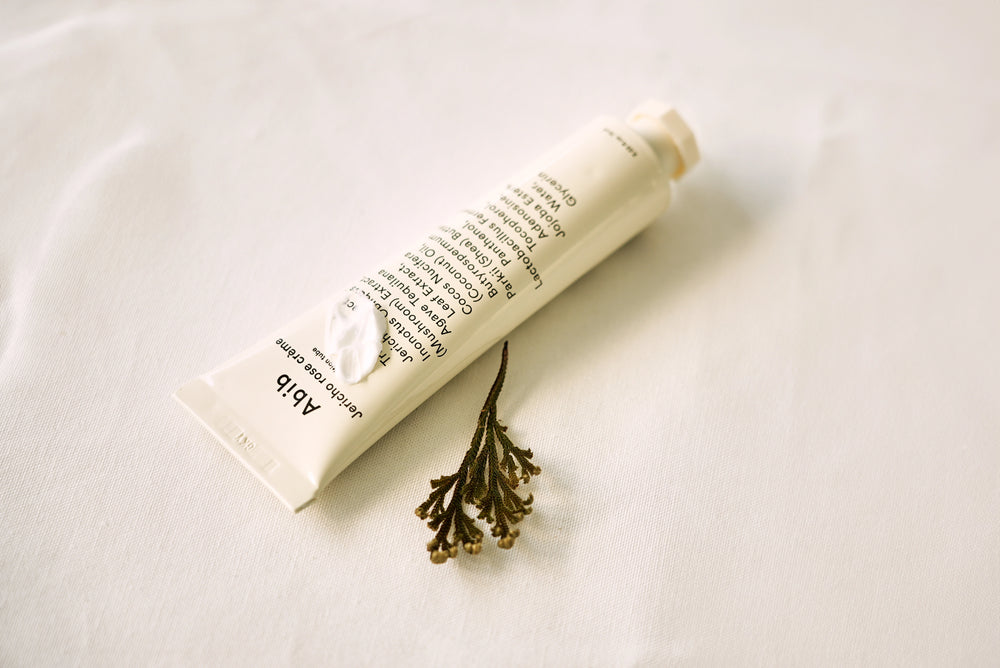
- Abib PDRN Collagen Lip Mask Glazed Jelly (£14.40) an overnight jelly mask to repair chapped lips while you sleep.
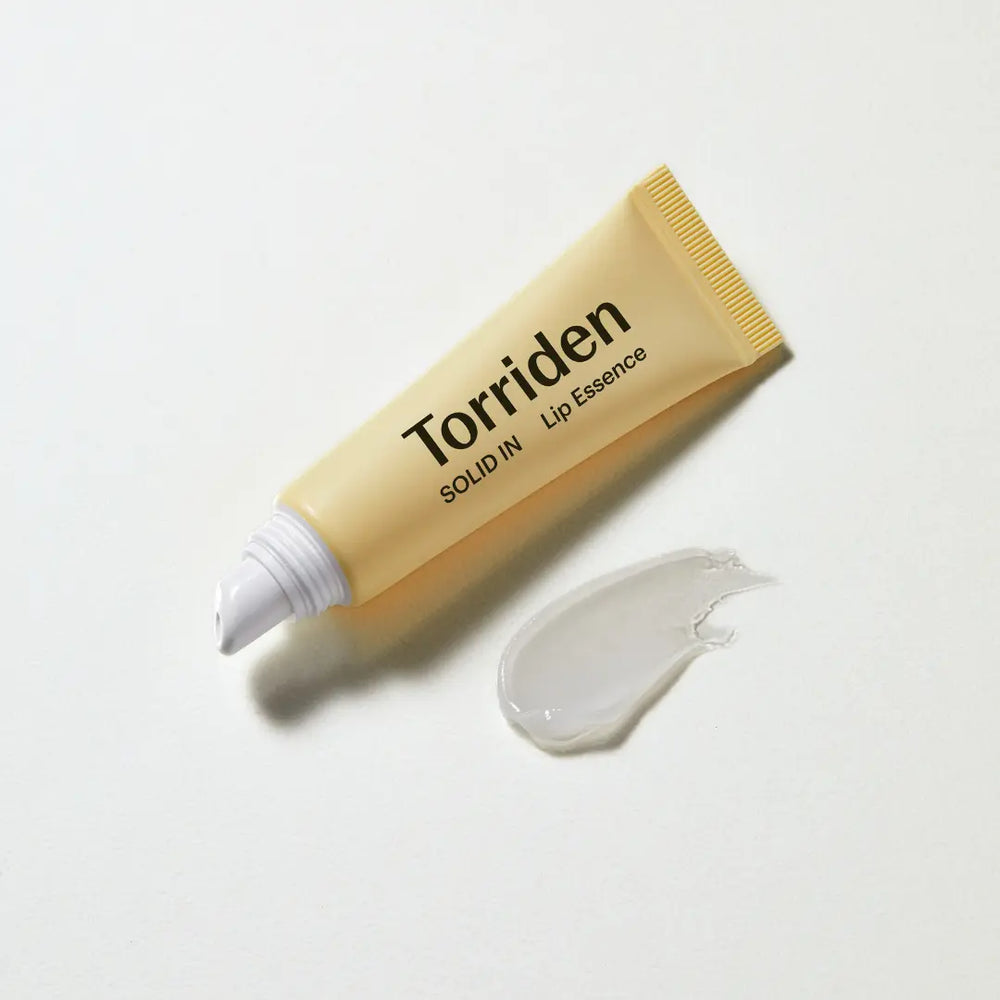
- Edit.B Waterfull Jelly Lip Essence (£4.00) a lightweight daytime lip essence to wear under lipstick or on its own.
A sample autumn routine
Morning: gentle cleanse → hydrating toner → barrier essence → moisturiser → SPF → lip essence
Evening: balm cleanse → low-pH foam cleanse → exfoliating toner (2 evenings a week only) → hydrating toner → barrier essence → richer cream → eye patches or a sheet mask (2–3 evenings a week)
You don't need every product from every step above, pick one from each category based on what your skin is telling you, and build from there.
Do I need to change everything at once?
No — swap one or two steps at a time, starting with your moisturiser and exfoliation frequency, since those tend to have the biggest impact.
Can I keep using my summer sunscreen?
Yes, as long as it's SPF50 with good PA protection. It's worth switching to a more hydrating formula if yours feels drying, but SPF itself doesn't need to change with the seasons.
How do I know if my barrier is actually damaged?
Look out for stinging when you apply products that never used to sting, ongoing redness, tightness that doesn't ease after moisturising, and small dry, flaky patches. If that sounds familiar, simplify your routine down to a gentle cleanser, a barrier-repair cream and SPF for a week or two before reintroducing actives.
Should I stop exfoliating completely?
Not necessarily — just reduce the frequency and choose a gentler formula, like a heartleaf-buffered BHA pad, rather than cutting it out altogether.
The takeaway
You don't need to overhaul your whole shelf overnight, Korean skincare has always worked best as small, responsive swaps rather than a total reset. Soften your cleanse, ease off exfoliation, layer in more hydration and barrier support, upgrade your cream, keep your SPF on, and don't forget the eyes and lips. Do that, and your skin will glide into autumn instead of protesting its way there.


![Expert Hyal PDRN Collagen Hydrogel Mask - 1pc [PURESEOUL Edition]](http://pureseoul.co.uk/cdn/shop/files/ARIUL-Expert-Hyal-PDRN-mask-PURESEOUL-UK-K-BEAUTY-SHOP.webp?v=1778858189&width=1000)






![Expert Hyal PDRN Collagen Hydrogel Mask - 1pc [PURESEOUL Edition]](http://pureseoul.co.uk/cdn/shop/files/ARIUL-Expert-Hyal-PDRN-mask-PURESEOUL-UK-K-BEAUTY-SHOP.webp?v=1778858189&width=1080)
![Expert Hyal PDRN Collagen Hydrogel Mask - 1pc [PURESEOUL Edition]](http://pureseoul.co.uk/cdn/shop/files/ARIUL-Expert-Hyal-PDRN-Collagen-Hydrogel-Mask-1pc-PURESEOUL-UK-KBeauty-Shop.webp?v=1778252220&width=1000)




Leave a comment