















If your skin feels tight, reactive, dry no matter how much moisturiser you use, or suddenly sensitive to products it used to love - your skin barrier is probably compromised. And you're not alone. Barrier damage is one of the most common skin concerns in 2026, driven by a generation of skincare enthusiasts who discovered actives before they discovered restraint.
The good news: K-beauty has been barrier-first longer than anyone else. While the rest of the world was layering acids and retinols with abandon, Korean skincare was quietly building its entire philosophy around one question - is this good for your skin barrier? The ingredients, the routines, the layering system - it all traces back to barrier health. Which means when it comes to repairing yours, K-beauty has the most developed, most nuanced toolkit available.
Here's everything you need to know.
What Is the Skin Barrier, Exactly?
Collagen is the most abundant protein in your body. In your skin specifically, it forms a dense, organised network in the dermis - the deeper layer of skin beneath the surface - acting like scaffolding that keeps skin firm, plump, and structurally supported.
In your twenties, your body produces collagen efficiently. Around your mid-to-late twenties, production starts to slow. By your thirties, you're losing roughly 1% of your skin's collagen per year. UV exposure, pollution, stress, and poor sleep all accelerate the process. The result is the gradual loss of firmness and elasticity - fine lines, a hollowing of the face, skin that feels less "bouncy" than it used to.
This is why collagen has become one of the most sought-after ingredients in skincare - and why K-beauty, with its focus on long-term skin health and prevention, has made it a core part of the modern routine.
What Causes Barrier Damage?
Understanding the cause helps you avoid making it worse while you repair. The most common culprits:
Over-exfoliation: The number one cause. Using AHAs, BHAs, or physical scrubs too frequently strips the lipid layer and disrupts the skin's pH.
Too many actives at once: Retinoids, vitamin C, acids - all brilliant ingredients, but layering them without proper pacing overwhelms the barrier and causes irritation.
Harsh cleansers: High-pH, foaming cleansers strip natural oils and disturb the skin's slightly acidic pH (ideally between 4.5 and 5.5). This alone can compromise the barrier over time.
Environmental stress: Cold weather, wind, UV damage, air conditioning, and low humidity all deplete barrier lipids and accelerate moisture loss.
Stress and sleep deprivation: Cortisol (your stress hormone) actively breaks down skin barrier function. Poor sleep = compromised skin repair, since most skin regeneration happens at night.
Fragrance and alcohol: Common irritants in skincare that sensitise barrier-compromised skin further.
Signs Your Barrier Is Compromised
Skin feels tight, dry, or uncomfortable shortly after cleansing
Stinging or burning when applying serums or moisturisers that didn't previously cause issues
Persistent redness or blotchiness
Flaking or rough texture despite regular moisturising
Sudden breakouts in unusual areas
Products "pilling" or sitting on top of skin rather than absorbing
Skin feels reactive to temperature, weather, or environmental changes
The K-Beauty Approach to Barrier Repair
Where Western skincare often treats barrier damage with a single thick cream, K-beauty approaches it as a whole-routine concern - every step should be working with the barrier rather than against it. That means simplifying your routine, prioritising barrier-supporting ingredients in every layer, and - critically - pausing the actives until your skin has recovered.
The K-beauty mantra for barrier repair: strip back, calm down, build back up.
The Hero Barrier Repair Ingredients in K-Beauty
Ceramides
Ceramides are the gold standard barrier ingredient - clinically proven and widely recognised as the most important lipid in the stratum corneum.</cite> They make up roughly 50% of the skin's lipid matrix, quite literally acting as the mortar that holds the barrier's brick wall together. When your barrier is damaged, ceramide levels drop - which is why replenishing them topically is the most direct route to structural repair.
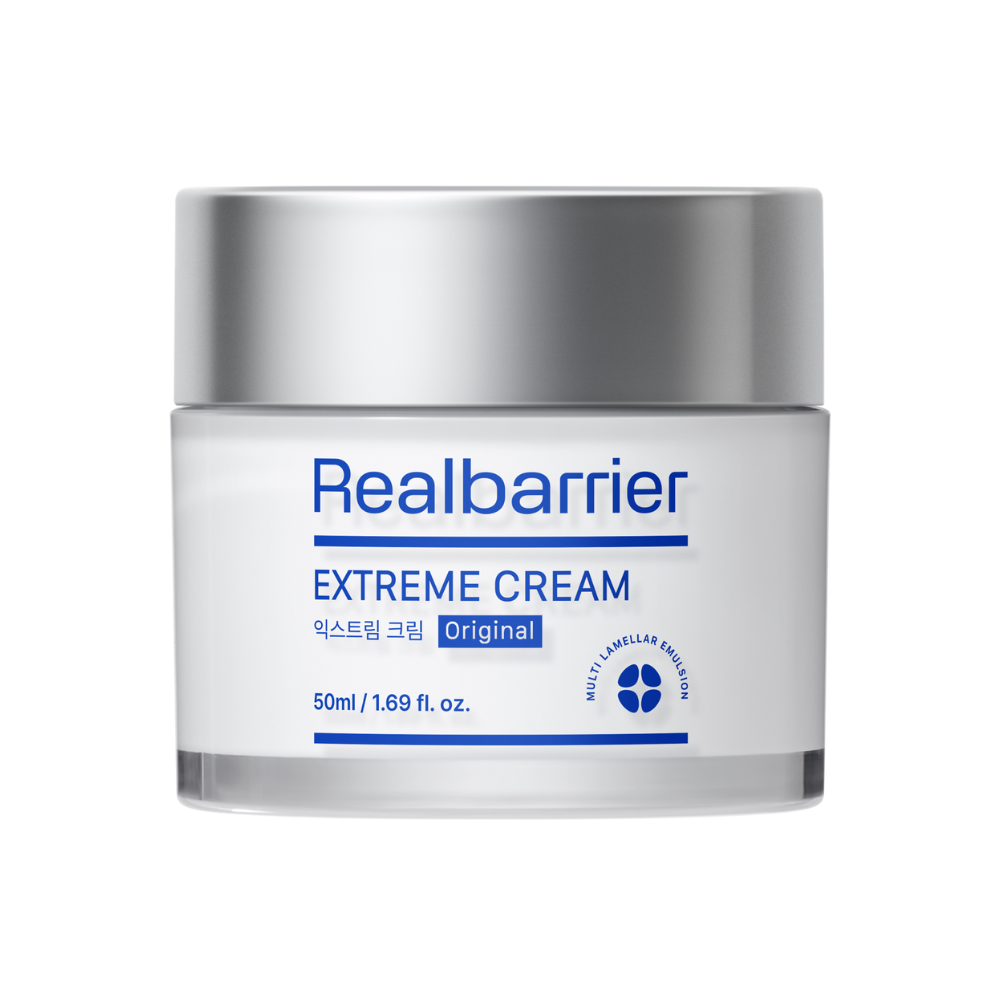
Not all ceramides are the same. There are nine types (Ceramide 1, 2, 3, 6-II, 9, EOP, NP, NS, AP) and the most effective formulas use a complex of multiple types, ideally alongside cholesterol and fatty acids to mimic the skin's natural lipid ratio. Formulas using three or more ceramide types alongside panthenol work to mimic the skin's natural structure and repair the barrier while softening rough skin. If you see a single ceramide listed near the bottom of an ingredient list, it's not doing a great deal. A dedicated ceramide complex near the top is what you're looking for.
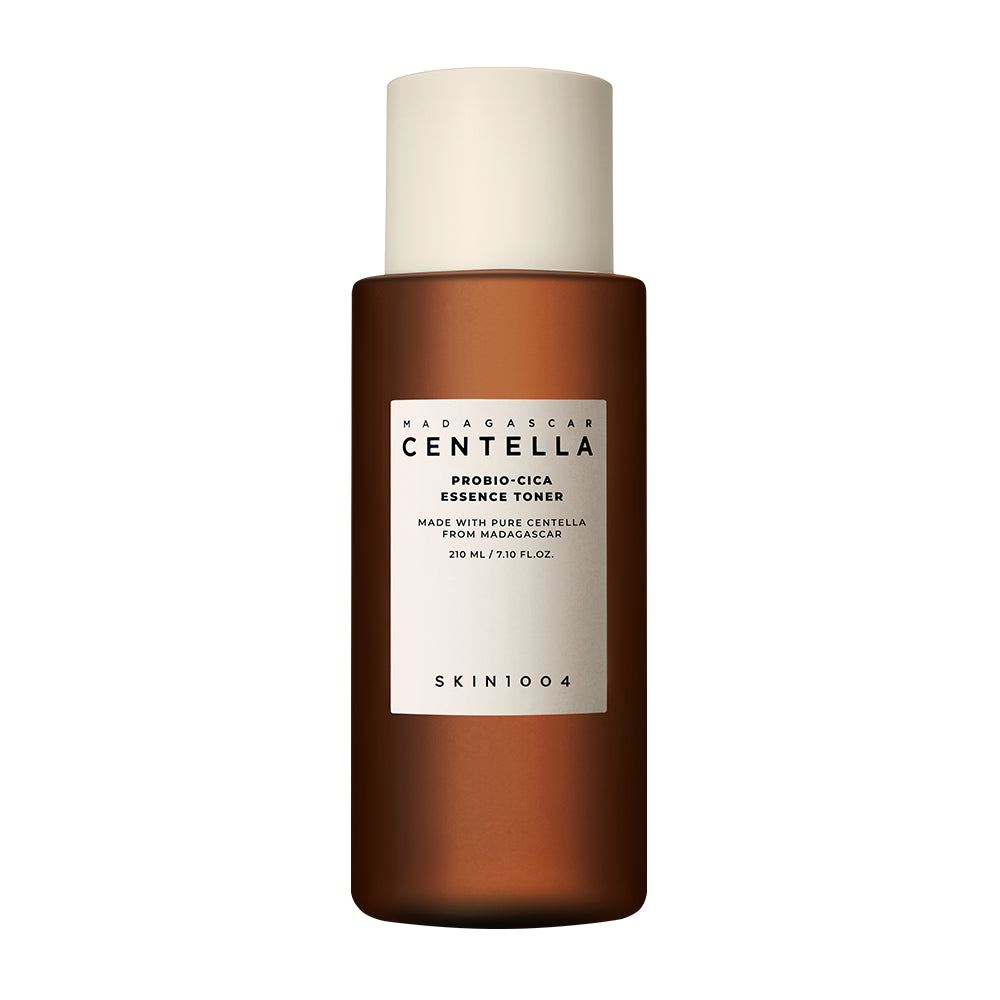
Centella Asiatica (Cica)
Centella asiatica is one of K-beauty's most iconic barrier ingredients - a medicinal herb with centuries of use in traditional Korean and Chinese medicine, now backed by significant clinical research. It contains a group of active compounds called triterpenoids - asiaticoside, madecassoside, asiatic acid, and madecassic acid - each of which contributes to its impressive skin-calming and barrier-repairing effects.
Madecassoside in particular is especially effective for redness, irritation, dryness, and barrier repair - making it particularly appealing as consumers become more focused on skin recovery and resilience. It works by stimulating collagen synthesis in the dermis, reducing inflammation, and accelerating the skin's natural wound-healing response. For barrier repair specifically, centella helps reduce the redness and reactivity that come with a compromised barrier while actively supporting the skin's ability to rebuild. You'll find it in cleansers, toners, essences, serums, and moisturisers - and it genuinely earns its place in every single one during a repair phase.
Panthenol (Vitamin B5)
Panthenol is one of the most quietly effective ingredients in barrier repair - and one of the most underappreciated. It's a provitamin of B5, meaning the skin converts it into pantothenic acid on contact, which directly supports the skin's own healing and regeneration processes.
Panthenol soothes compromised skin and actively supports healing - a gentle, universally well-tolerated ingredient that helps restore moisture and comfort to irritated skin. It works as both a humectant (drawing moisture into the skin) and an emollient (softening and smoothing the surface), which makes it useful at multiple levels of barrier function. Crucially, it's non-irritating even on the most sensitised skin - making it one of the very few ingredients you can introduce even at the height of barrier damage. Panthenol synergises particularly well with ceramides, providing long-lasting soothing hydration that helps reduce redness and irritation for a calmer, more even complexion.
Niacinamide
Niacinamide strengthens barrier function, reduces redness, and controls oil - making it one of the most versatile ingredients in K-beauty and a genuine multi-tasker during barrier repair. It works by stimulating the production of ceramides and other lipids within the skin itself, meaning it doesn't just replenish the barrier topically - it helps your skin produce its own barrier lipids more efficiently over time.
Beyond barrier repair, niacinamide reduces inflammation, minimises the appearance of pores, and helps fade post-inflammatory hyperpigmentation - the marks left behind by breakouts or irritation that are common when the barrier is compromised. It's also well-tolerated by almost every skin type, including oily, acne-prone, and sensitive skin, which makes it one of the few ingredients you can safely keep in your routine during the repair phase. Start at 5% if your skin is particularly reactive - it's the sweet spot for barrier benefits without any potential flushing or irritation.
Ingredients to Avoid While Repairing
While your barrier is compromised, put these on pause:
- AHAs and BHAs (glycolic, lactic, salicylic acid) — exfoliation is the last thing damaged skin needs right now
- High-percentage retinoids — step down to the lowest percentage or take a break entirely until your barrier has stabilised
- Alcohol-based toners — drying and irritating to compromised skin
- Fragrance — one of the most common irritants for sensitised skin
- Physical scrubs — mechanical exfoliation on a damaged barrier is a recipe for further inflammation
- Vitamin C (L-ascorbic acid) — particularly low pH formulas can sting and irritate barrier-compromised skin; switch to a gentler derivative like ascorbyl glucoside until skin has healed
The Barrier Repair Routine: Step by Step
Cleanse Gently (AM & PM)
Switch to a low-pH, fragrance-free gel or cream cleanser that cleans without stripping. Avoid foaming cleansers while your barrier is damaged - the surfactants can be too harsh. In the morning, a water rinse alone is often enough for compromised skin.
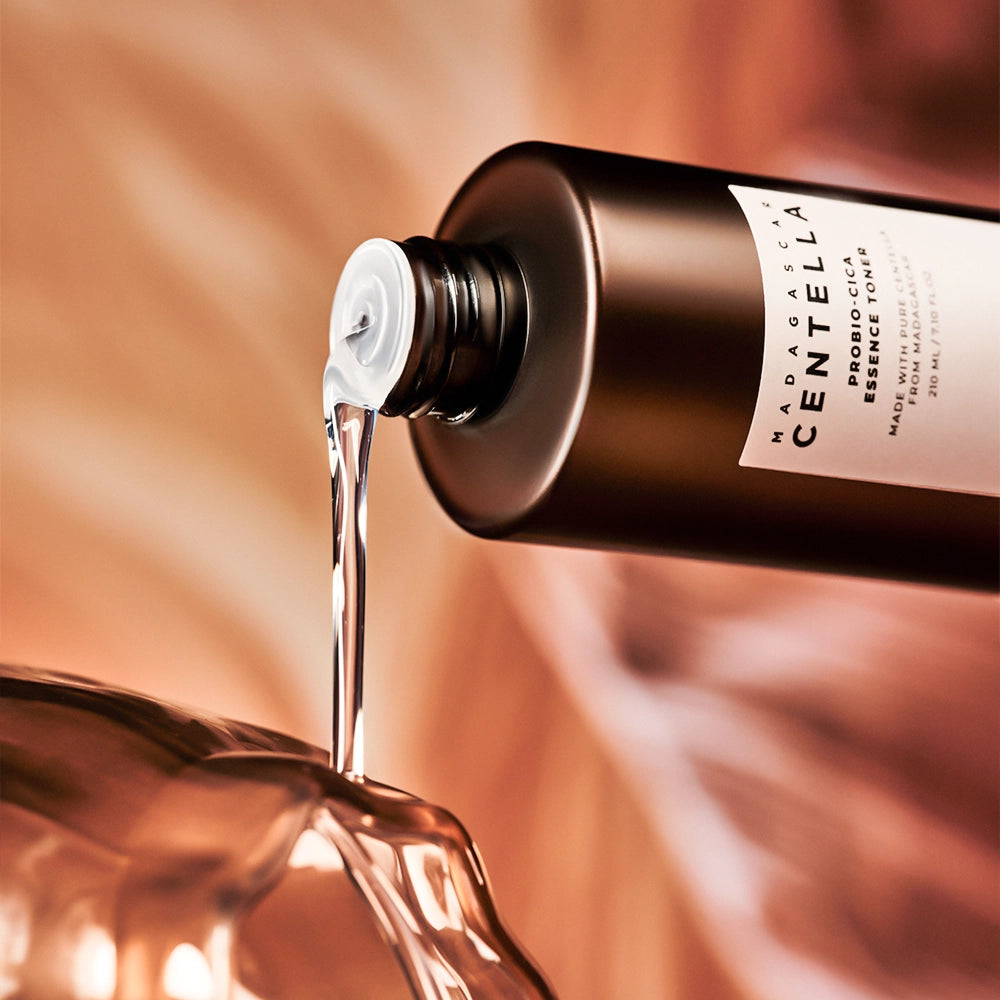
Hydrating Toner
Go for a simple, alcohol-free hydrating toner - no actives, no exfoliation, just hydration and pH balance. Apply by hand and pat gently into skin rather than using a cotton pad, which can tug at sensitive skin.
Barrier Serum or Essence
This is your targeted repair step. Look for formulas combining ceramides, panthenol, beta-glucan, and/or centella asiatica. Keep it simple - one serum, fragrance-free, no actives.
Moisturiser
Your most important barrier repair step. Look for a rich-but-absorbable cream with a ceramide complex alongside humectants and emollients. For very compromised skin, a thicker balm-style formula gives more intensive protection and repair overnight.
Facial Oil or Occlusive (PM only)
Sealing in your routine with a lightweight facial oil or an occlusive like squalane adds an extra layer of protection against TEWL overnight. A few drops patted over your moisturiser is enough - this is the final layer that keeps everything locked in while your skin repairs.
SPF (AM - non-negotiable)
UV damage is a direct driver of barrier degradation. While your skin is repairing, a mineral SPF is gentler on compromised skin than chemical filters. Look for formulas with added barrier ingredients like cica or centella.
How Long Does Barrier Repair Take?
There's no single answer - it depends on how compromised your barrier is and how consistently you follow a repair routine. As a general guide:
Mild damage (recent irritation, slight sensitivity): 1–2 weeks of a simplified, barrier-supportive routine usually brings significant improvement.
Moderate damage (persistent redness, stinging, dehydration): 4–6 weeks of consistent barrier repair, with actives fully paused, before reintroducing anything.
Significant damage (eczema flares, severe sensitivity, prolonged barrier disruption): This warrants a conversation with a dermatologist alongside your skincare routine. A compromised barrier at this level can benefit from prescription support alongside topical repair.
The instinct when skin isn't improving is to try new products or add more steps. Resist it. Less is always more during barrier repair - stripping your routine back is almost always the fastest route to recovery.
How do I know if my skin barrier is damaged?
The most common signs are skin that feels tight or uncomfortable after cleansing, stinging when applying products that used to be fine, persistent redness, flaking despite regular moisturising, and products that seem to sit on top of your skin rather than absorb. If several of these sound familiar, your barrier likely needs some attention.
How long does it take to repair a damaged skin barrier?
It depends on the level of damage. Mild sensitivity can improve within 1–2 weeks of a simplified, barrier-supportive routine. Moderate damage typically takes 4–6 weeks with actives fully paused. More significant or long-term damage can take longer and may benefit from dermatologist support alongside your routine.
What's the most important ingredient for barrier repair?
Ceramides are the gold standard - they're the key lipid that makes up the skin barrier's protective layer and the most clinically proven ingredient for barrier repair. Look for formulas with a ceramide complex (multiple ceramide types alongside cholesterol and fatty acids) for the most complete effect.
Should I stop using all actives when repairing my barrier?
Yes, temporarily. Pause AHAs, BHAs, high-percentage retinoids, and L-ascorbic acid vitamin C while your barrier recovers. These are brilliant ingredients, but they can't do their job on a compromised barrier — and in many cases they'll make things worse. Once your skin feels comfortable and stable again, reintroduce them one at a time, slowly.
Is a damaged skin barrier the same as sensitive skin?
Not exactly, though they're closely linked. Sensitive skin is a skin type - a genetic tendency toward reactivity. A damaged barrier is a condition - it can happen to anyone, including people who don't normally have sensitive skin. The good news is that the approach to treating both is largely the same: gentle ingredients, simplified routines, and barrier-repair focused products.








Leave a comment