















If you've spent any time scrolling through K-beauty content lately, you've probably noticed collagen is everywhere. In serums, mists, sheet masks, essences, sleeping packs - even in your morning supplement. But here's the thing: most people using collagen products don't fully understand what collagen actually does, why it matters, and - crucially - whether the form they're using is actually getting results.
Time to clear that up.
What Is Collagen, and Why Does It Matter?
Collagen is the most abundant protein in your body. In your skin specifically, it forms a dense, organised network in the dermis - the deeper layer of skin beneath the surface - acting like scaffolding that keeps skin firm, plump, and structurally supported.
In your twenties, your body produces collagen efficiently. Around your mid-to-late twenties, production starts to slow. By your thirties, you're losing roughly 1% of your skin's collagen per year. UV exposure, pollution, stress, and poor sleep all accelerate the process. The result is the gradual loss of firmness and elasticity - fine lines, a hollowing of the face, skin that feels less "bouncy" than it used to.
This is why collagen has become one of the most sought-after ingredients in skincare - and why K-beauty, with its focus on long-term skin health and prevention, has made it a core part of the modern routine.
The Collagen Problem: Can It Actually Penetrate Your Skin?
Here's where it gets interesting - and where a lot of marketing muddies the water.
Collagen is a large molecule. A very large molecule. Traditional topical collagen (the kind in older creams and masks) sits on the surface of the skin without actually penetrating the dermis. It can temporarily plump and hydrate the skin's surface through moisturising effects, but it doesn't actually replenish your collagen stores at a structural level.
So does that mean topical collagen is useless? Not exactly - but it does mean the science matters more than the label. Here's what to look for:
Hydrolysed Collagen: Collagen that's been broken down into smaller peptide fragments (called collagen peptides) so it can penetrate more effectively. Much more bioavailable than standard collagen, and well-supported by research for both topical and ingestible use.
Marine Collagen: Derived from fish skin and scales, marine collagen has a smaller molecular structure than bovine collagen, making it more easily absorbed. It's the dominant form in K-beauty formulations and particularly effective in hydrolysed form.
Vegan / Lab-Grown Collagen: One of the most exciting developments in 2026 K-beauty - biotech brands are now producing lab-grown collagen that's molecularly identical to human collagen without any animal sourcing. Ethical, sustainable, and highly effective.
Collagen-Boosting Ingredients: A different approach - instead of applying collagen directly, these ingredients signal your skin to produce more of its own. This is often considered the most effective long-term strategy (more on that below).
Collagen vs. Collagen-Boosting: What's the Difference?
This distinction matters a lot. There are two ways collagen skincare works, and most products fall into one of these camps:
Topical collagen - delivers hydrolysed collagen or collagen peptides directly to the skin for surface-level plumping, hydration, and short-term smoothing. Great for immediate results, especially as a skin barrier support.
Collagen-boosting actives - ingredients that trigger your skin's own collagen synthesis. These include:
Retinol & Retinal - vitamin A derivatives that speed up cell turnover and directly stimulate collagen production. One of the most clinically proven collagen-boosting pathways in skincare.
Vitamin C - a cofactor in collagen structure formation. Without adequate vitamin C, your skin literally cannot form properly structured collagen. It also helps neutralise the free radical damage (from UV and pollution) that breaks collagen down.
Peptides - short chains of amino acids that act as messengers, signalling your skin to ramp up collagen production. Copper peptides in particular are having a major moment in K-beauty right now.
PDRN (Polydeoxyribonucleotide) - one of K-beauty's most exciting 2026 ingredients, originally used in Korean dermatology clinics in injectable form. PDRN works by activating cellular repair and regeneration pathways, stimulating both collagen and elastin production. Clinical studies show meaningful improvements in dermal density within 28 days.
EGF (Epidermal Growth Factor) - gaining serious traction in 2026, EGF supports skin repair, elasticity, and rejuvenation by stimulating the production of collagen and new skin cells.
Collagen in Your K-Beauty Routine: Where Does It Fit?
Serums & Ampoules: The most effective format for collagen and collagen-boosting actives. Look for hydrolysed marine collagen or collagen peptides combined with PDRN, EGF, or copper peptides for maximum impact.
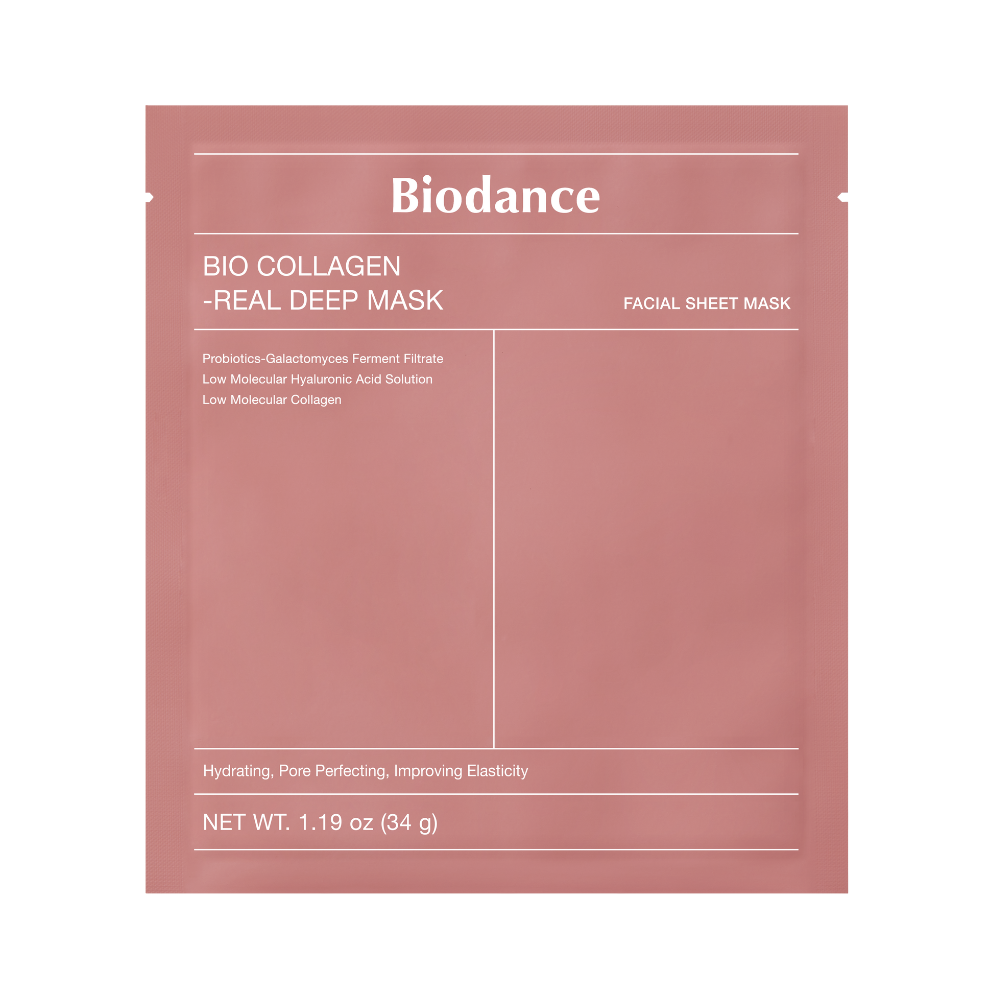
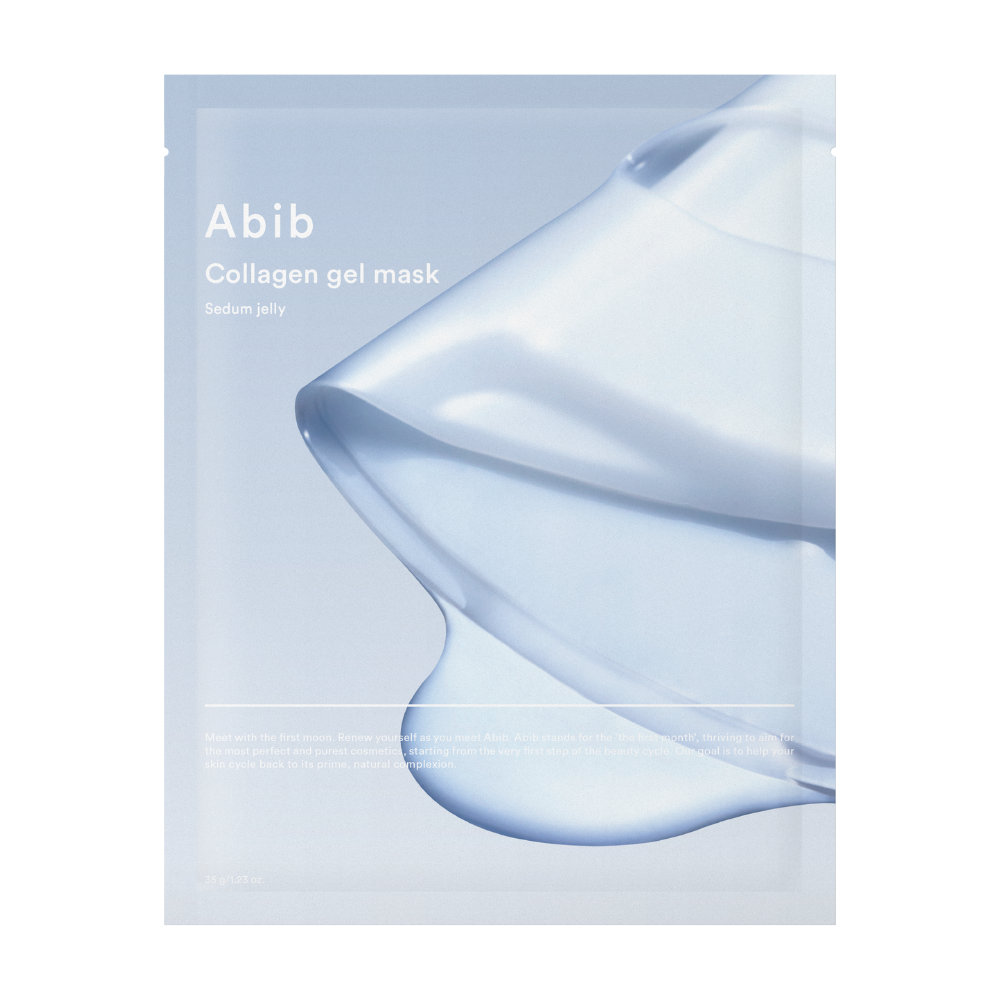
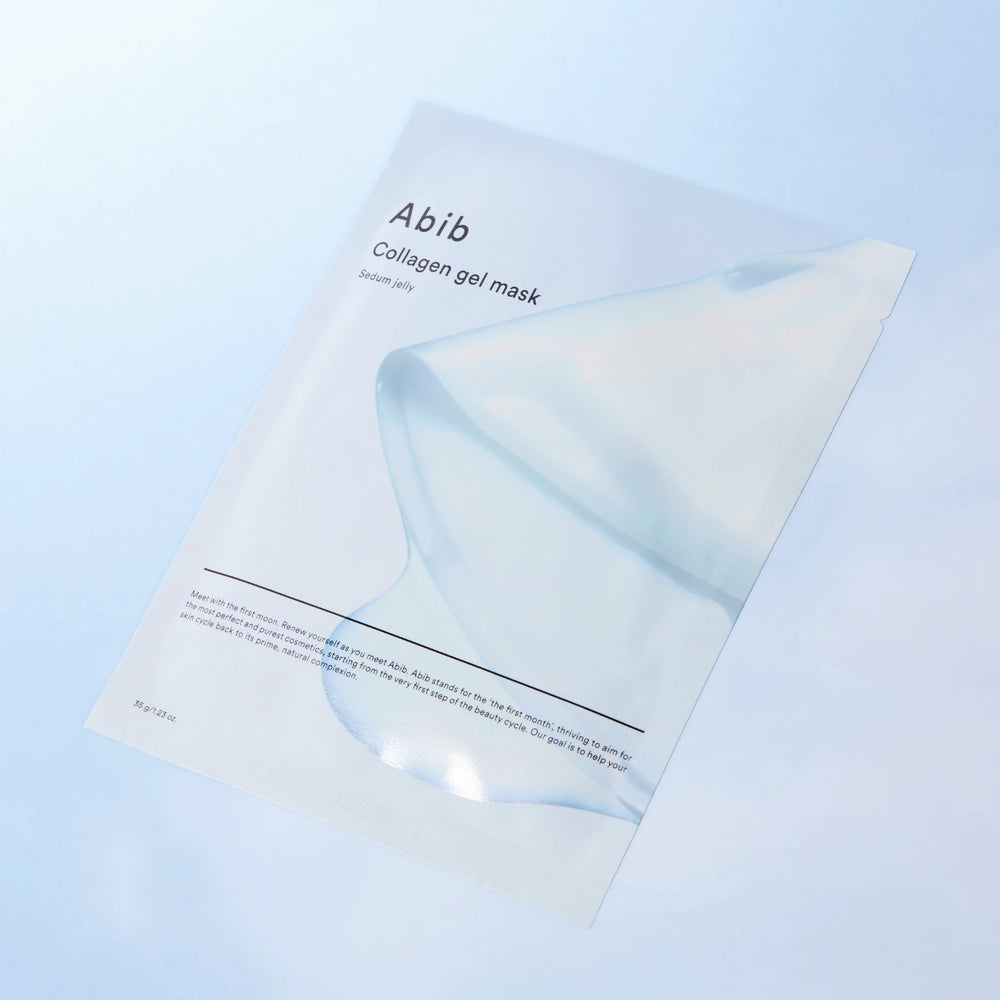
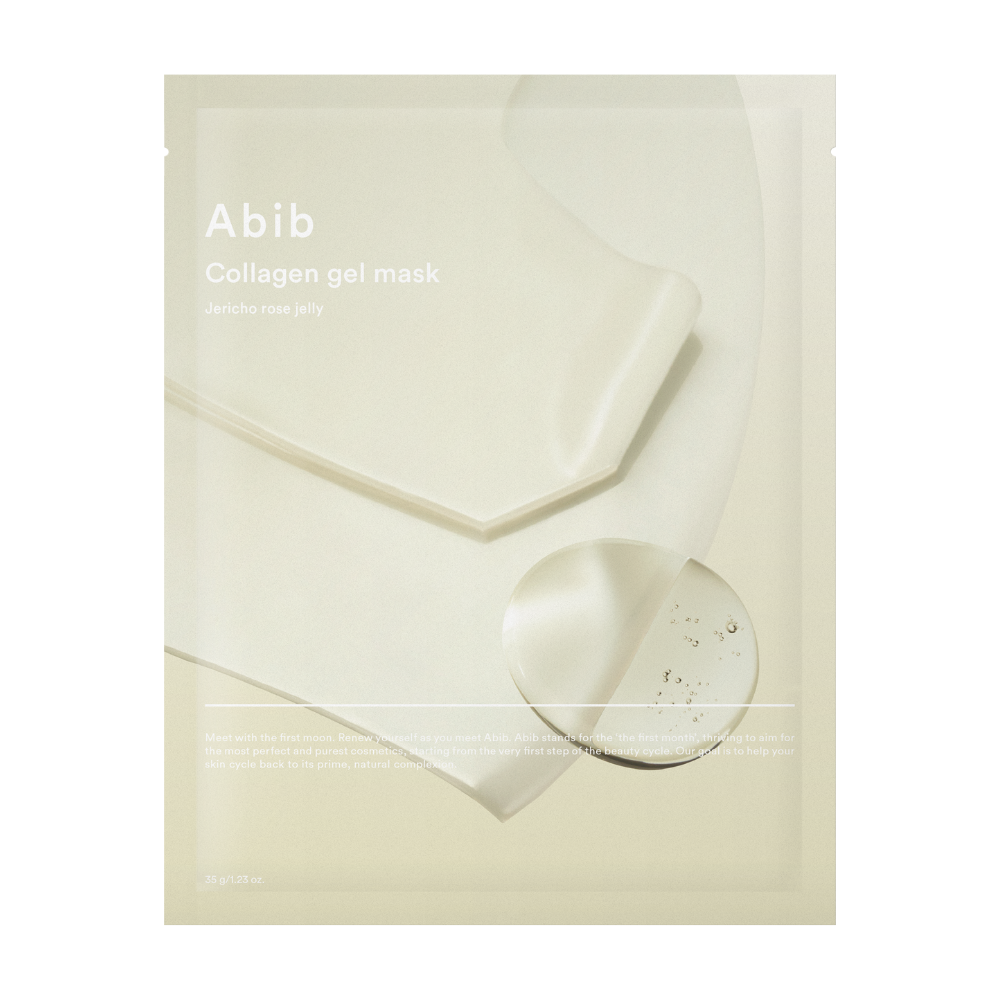
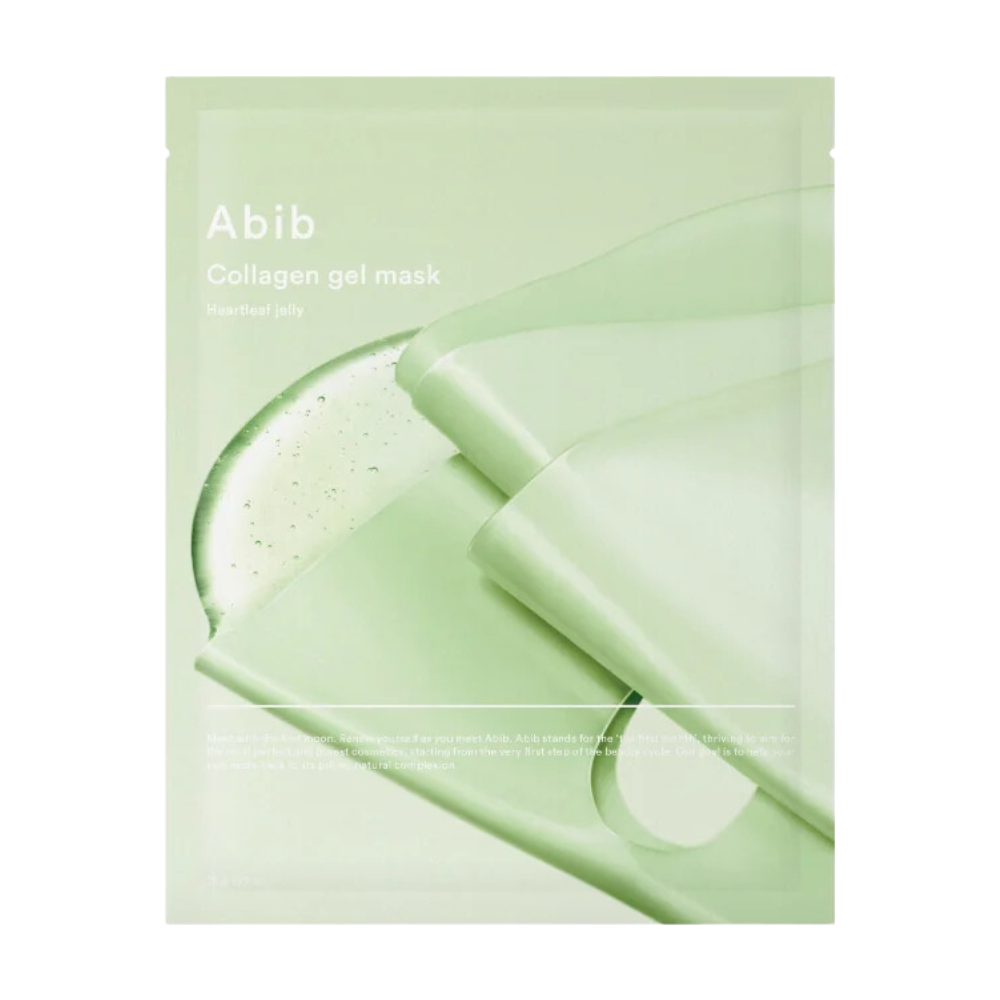
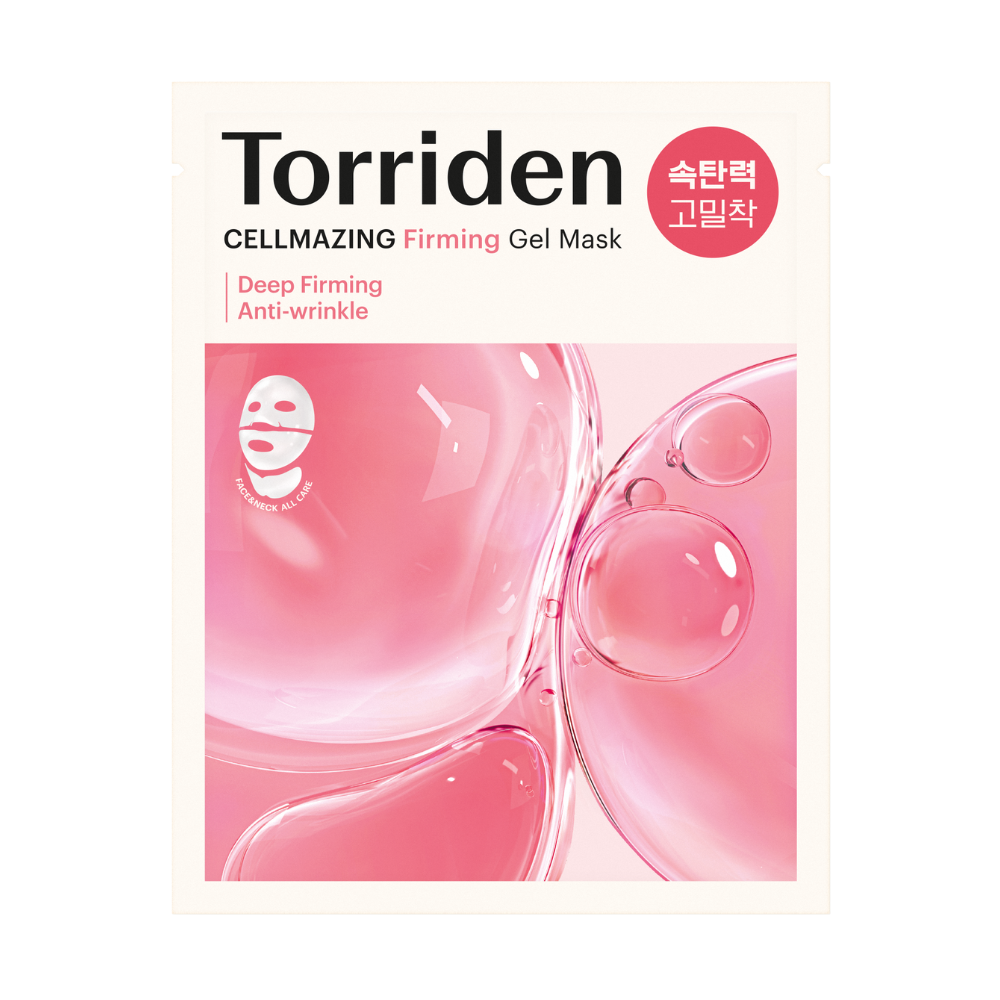
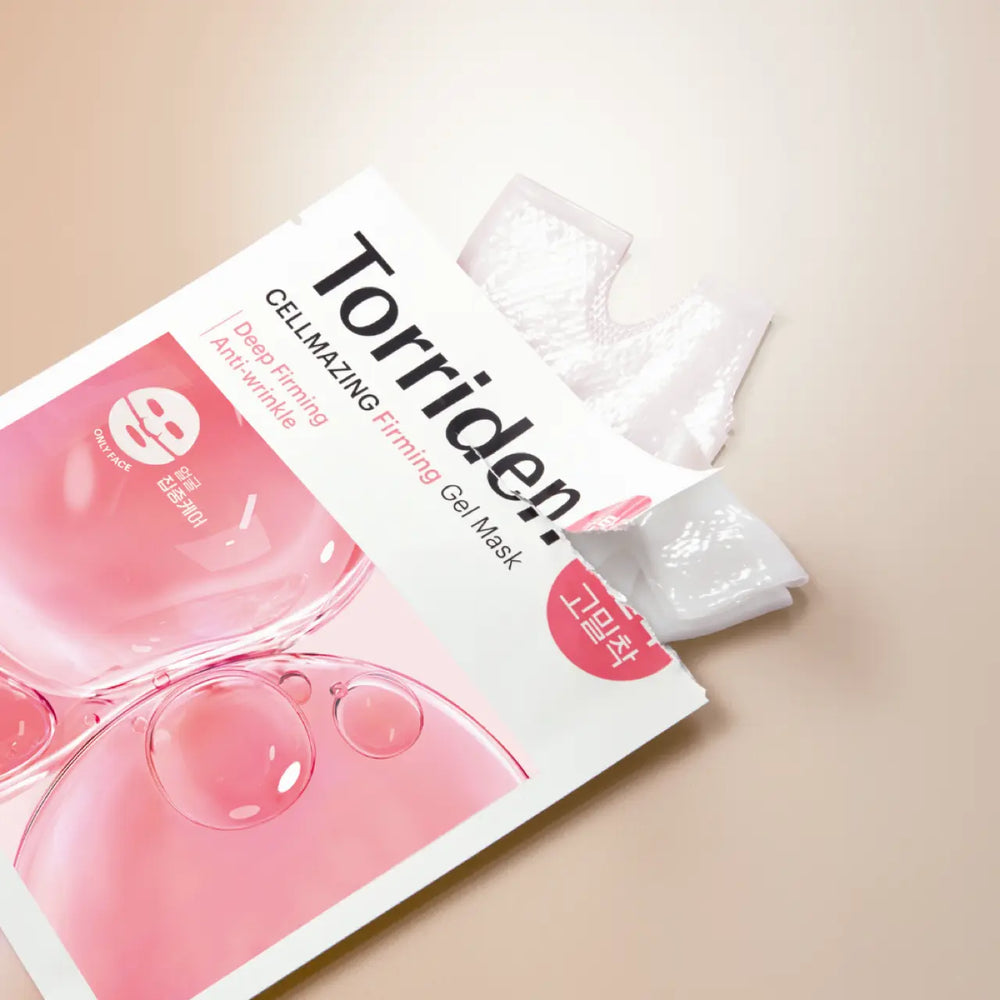
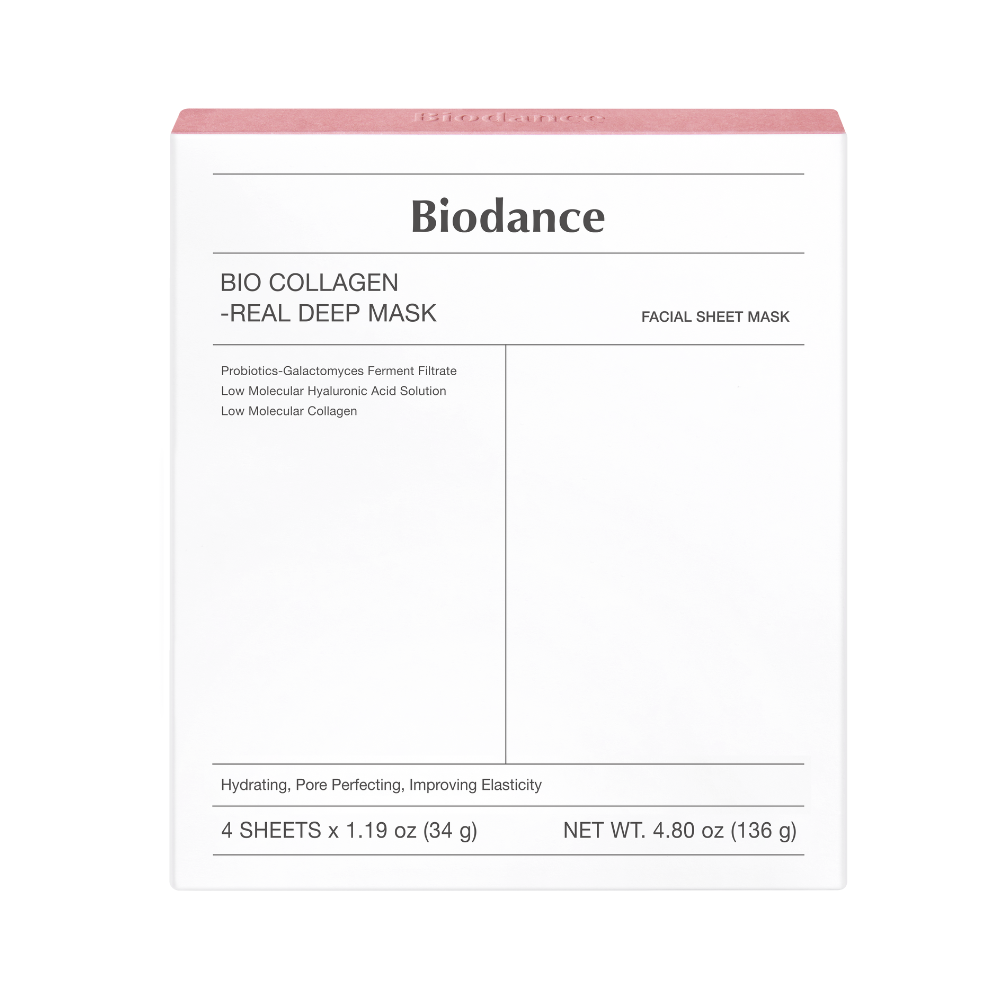
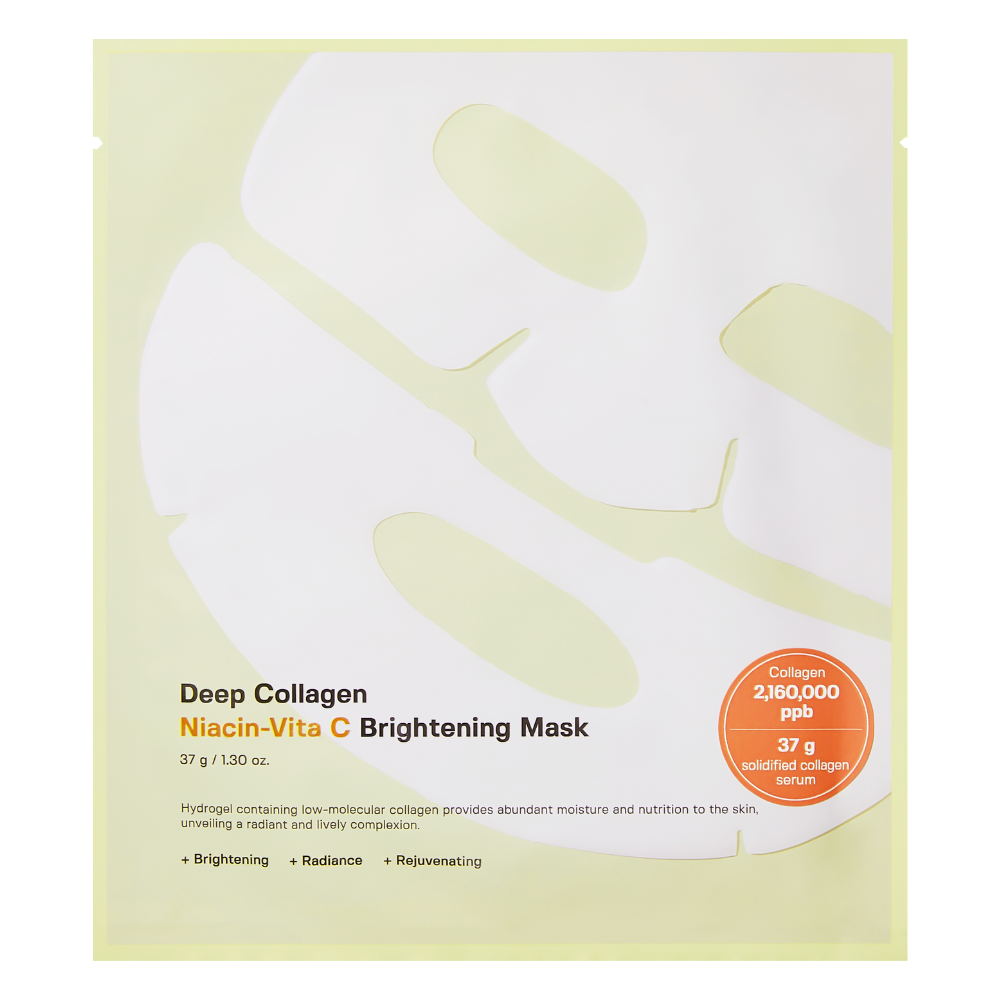
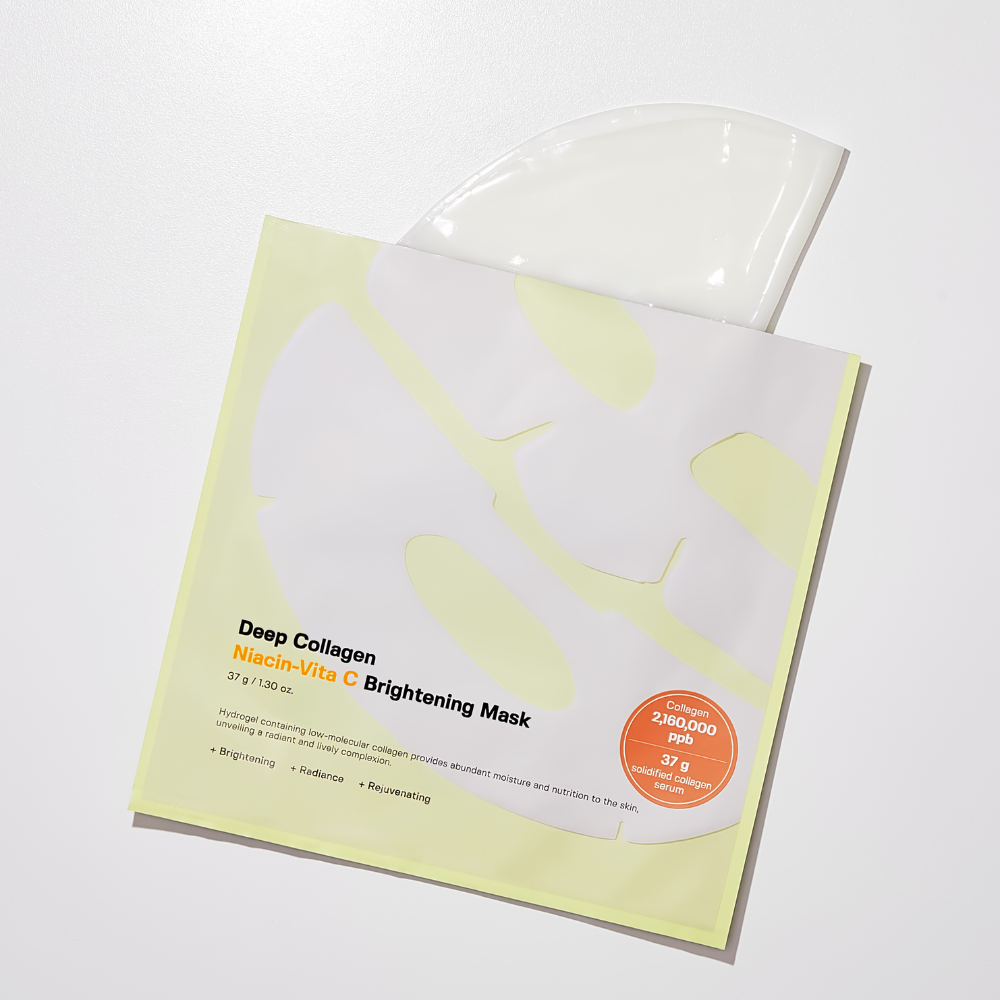
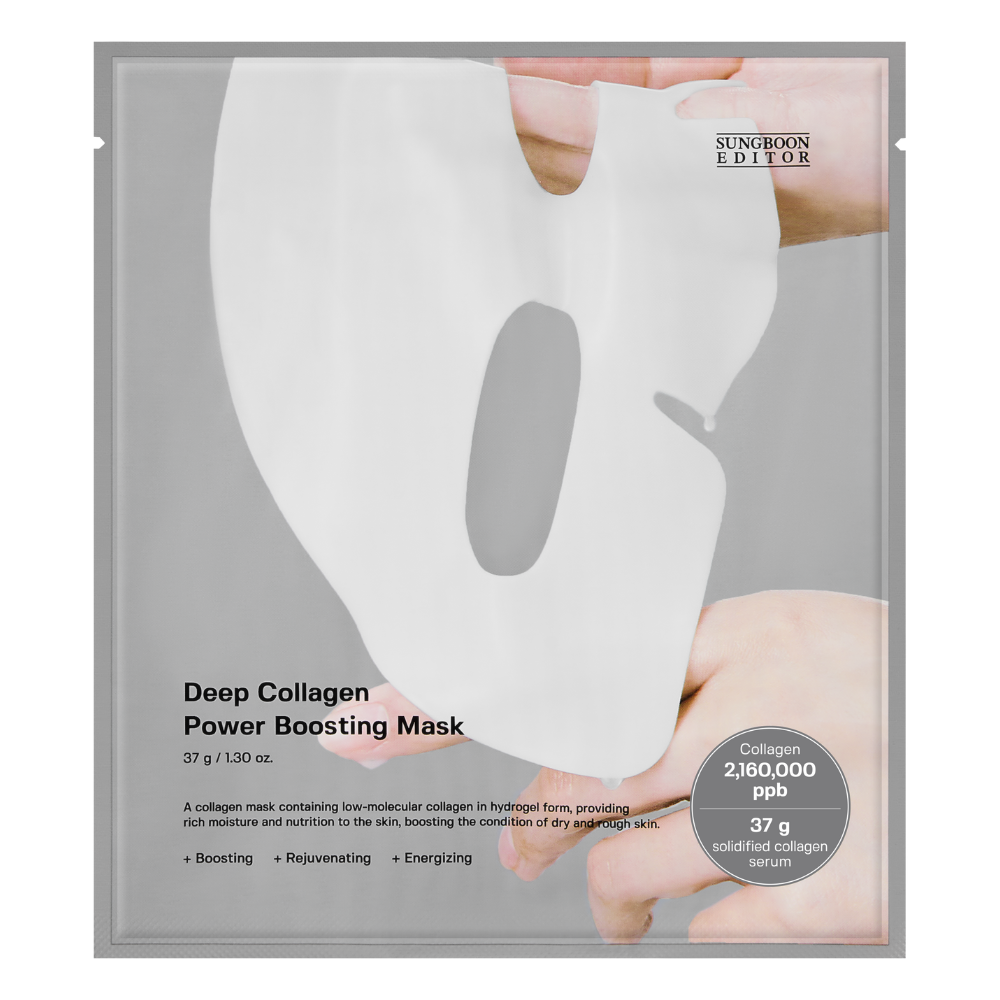
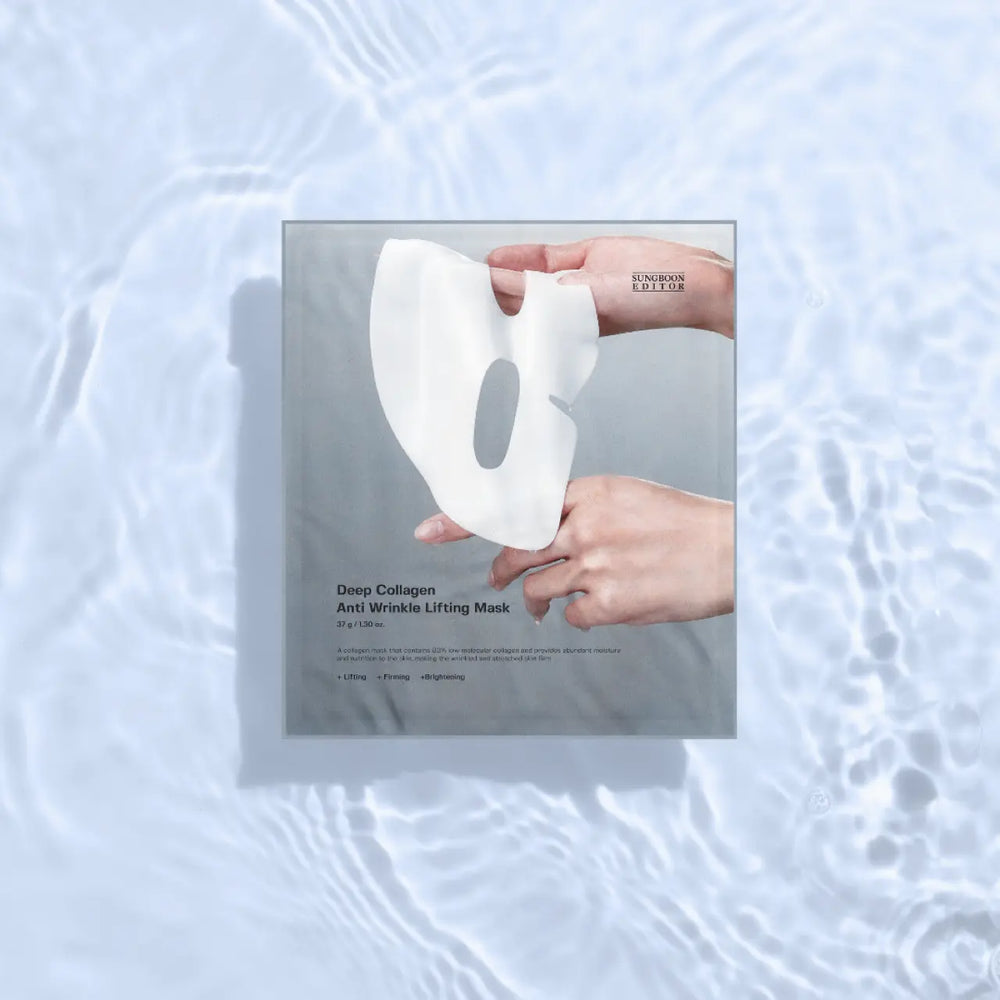
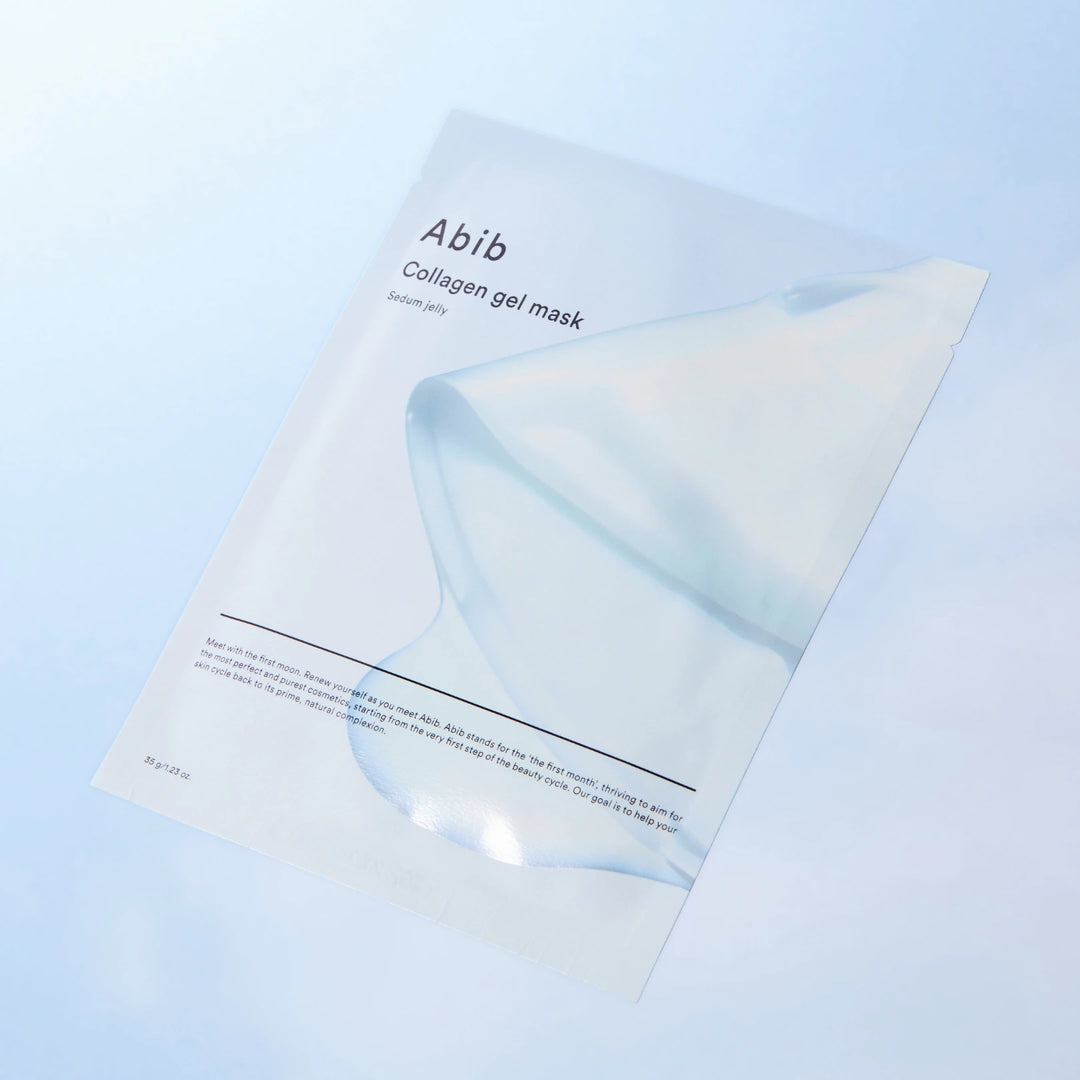
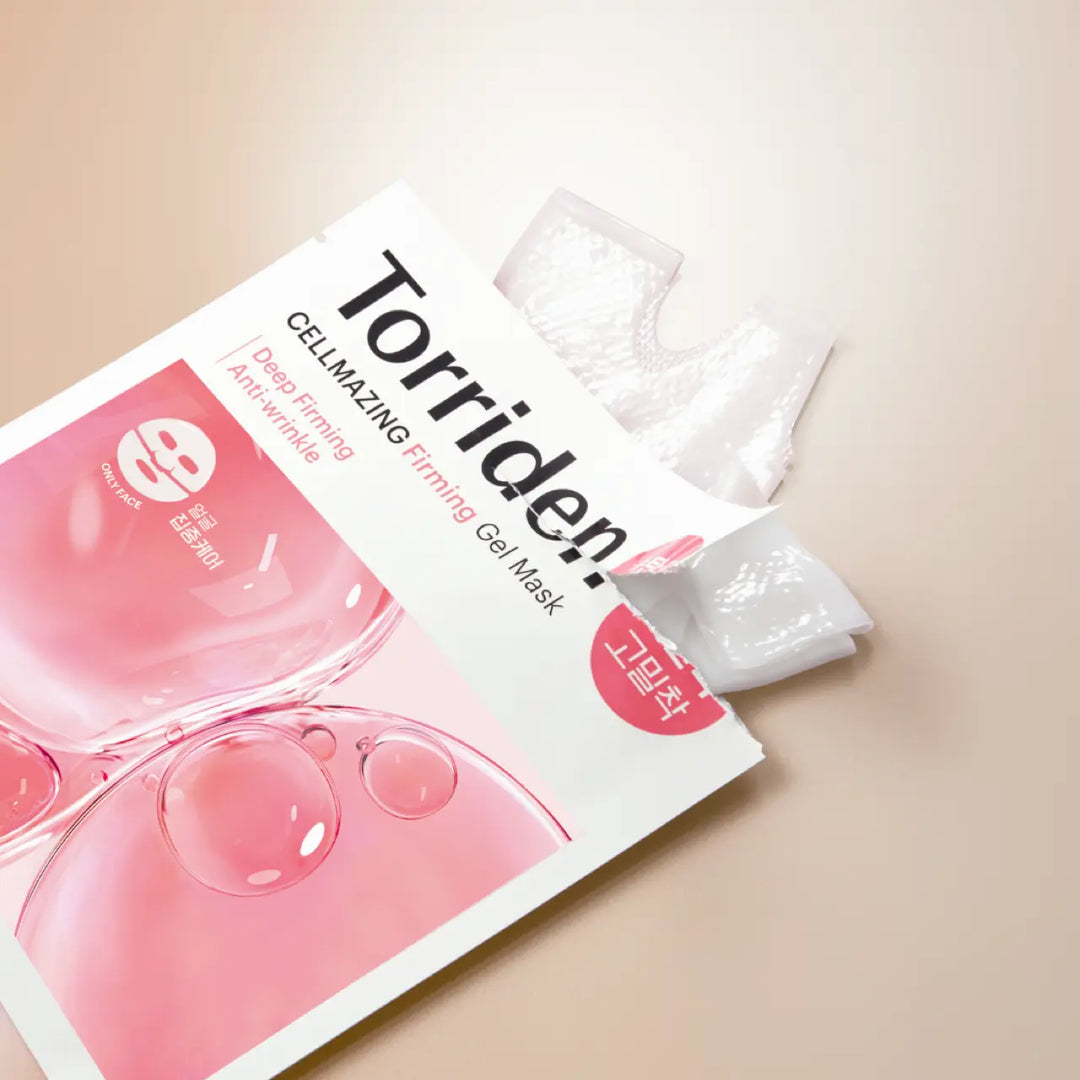
Sheet Masks: Collagen sheet masks deliver a concentrated dose with the occlusive sheet locking everything in. For best results, keep in the fridge and use 2–3 times per week. Marine collagen and hydrogel collagen masks are the most effective formats.
Mists: Collagen mists are the most casual entry point and great for mid-day hydration boosts. While they won't deliver the same depth of results as a serum, they add a layer of surface-level plumping and are easy to incorporate into any routine.
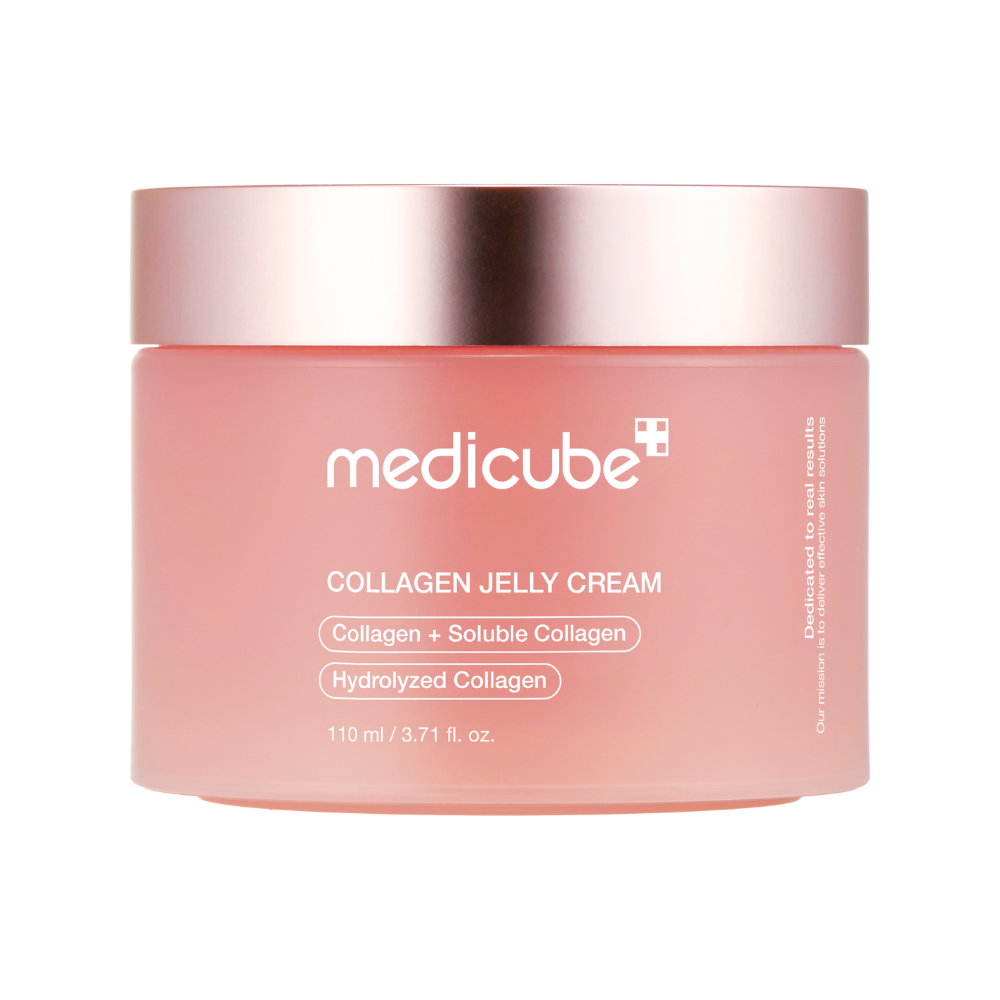
Creams: Collagen moisturisers are one of the most accessible ways to work the ingredient into your routine - and one of the most underrated. A well-formulated collagen cream does double duty: it delivers hydrolysed collagen or collagen peptides to the skin while sealing in everything you've applied underneath.
How to Layer Collagen Into Your Routine
Morning:Cleanser → Toner → Vitamin C serum (collagen synthesis + antioxidant protection) → Collagen essence or serum → Moisturiser → SPF
Evening:Double cleanse → Toner → Retinal or peptide serum (collagen stimulation) → Collagen ampoule or serum → Moisturiser or collagen sleeping pack
2–3x per week: Marine collagen or hydrogel sheet mask (keep refrigerated for an extra depuffing effect)
Ingredients to Pair With Collagen
Collagen performs best when it's supported by other skin-health ingredients:
- Hyaluronic Acid — keeps the skin hydrated so collagen can function at its best. Dehydrated skin breaks down collagen faster.
- Niacinamide — helps regulate barrier function and reduce the inflammation that degrades collagen over time.
- Ceramides — repair and reinforce the skin barrier, keeping the environment collagen needs to thrive intact.
- Peptides — work synergistically with collagen to signal production and support skin structure.
- SPF — non-negotiable. UV radiation is the number one external cause of collagen degradation. Every other collagen investment you make is undermined if you're not protecting your skin from the sun daily.
Frequently Asked Questions
Does topical collagen actually work?
Yes - but with an important caveat. Standard collagen molecules are too large to fully penetrate the skin, so look for hydrolysed collagen or collagen peptides, which have been broken down into smaller fragments that absorb more effectively. These deliver genuine surface-level plumping and hydration, while also supporting the skin barrier over time.
What's the difference between collagen and collagen peptides?
Collagen peptides are simply collagen that's been broken down (hydrolysed) into smaller chains of amino acids. They're more bioavailable than intact collagen molecules — meaning your skin can actually absorb and use them. When you see "hydrolysed collagen" or "collagen peptides" on an ingredient list, that's the version you want.
At what age should I start using collagen skincare?
Collagen production starts to slow in your mid-to-late twenties, so that's a natural point to start incorporating collagen-boosting ingredients like vitamin C and peptides. Full collagen-focused routines — including retinal and PDRN — tend to become more of a priority in your thirties onwards. That said, it's never too early for prevention.
How long does it take to see results from collagen skincare?
Surface-level improvements — smoother texture, better hydration, plumper-looking skin — often show within 2–4 weeks. Deeper structural changes to firmness and elasticity take longer, typically 8–12 weeks of consistent use. For the most significant results, combine topical collagen with collagen-boosting actives like retinal, vitamin C, and peptides.
Can I take collagen supplements and use topical collagen at the same time?
Absolutely — they work through different pathways and complement each other well. Ingestible hydrolysed collagen works from the inside out, supporting dermal density and overall skin structure. Topical collagen works at the surface, delivering immediate hydration and plumping. Used together consistently, the two approaches give you the most comprehensive collagen support.






















Leave a comment