















If you've built a solid routine already, peptides are probably the next ingredient on your radar. You've seen them all over K-beauty TikTok. But what are they actually doing, and how do Korean formulations use them differently from the Western peptide serums you might already know?
Here's the breakdown.
What Peptides Actually Are
Peptides are short chains of amino acids - basically fragments of proteins. Your skin is full of proteins like collagen and elastin, which keep it firm and bouncy. As you age, production slows down. Peptides work by signaling your skin to act like it's still in repair mode: making more collagen, healing faster, holding onto more moisture.
Think of them less as an ingredient that does something dramatic on contact, and more as a messenger that tells your skin cells to get back to work.
The Main Types You'll See on Labels
Not all peptides do the same job, which is why "peptide serum" can mean very different things depending on the product.
Signal peptides are the most common type, and they're the ones that tell skin to produce more collagen. Matrixyl (palmitoyl pentapeptide) is the one you'll see most often - it's in a huge chunk of K-beauty anti-aging serums.
Copper peptides combine copper with peptide chains and are known for supporting wound healing and skin repair, which is why they show up in barrier-focused and post-procedure products.
Carrier peptides deliver trace elements like copper or manganese to skin cells, supporting enzyme activity behind the scenes.
Neurotransmitter-inhibiting peptides (like argireline) work more like a topical alternative to Botox, relaxing the look of expression lines by limiting muscle micro-movements.
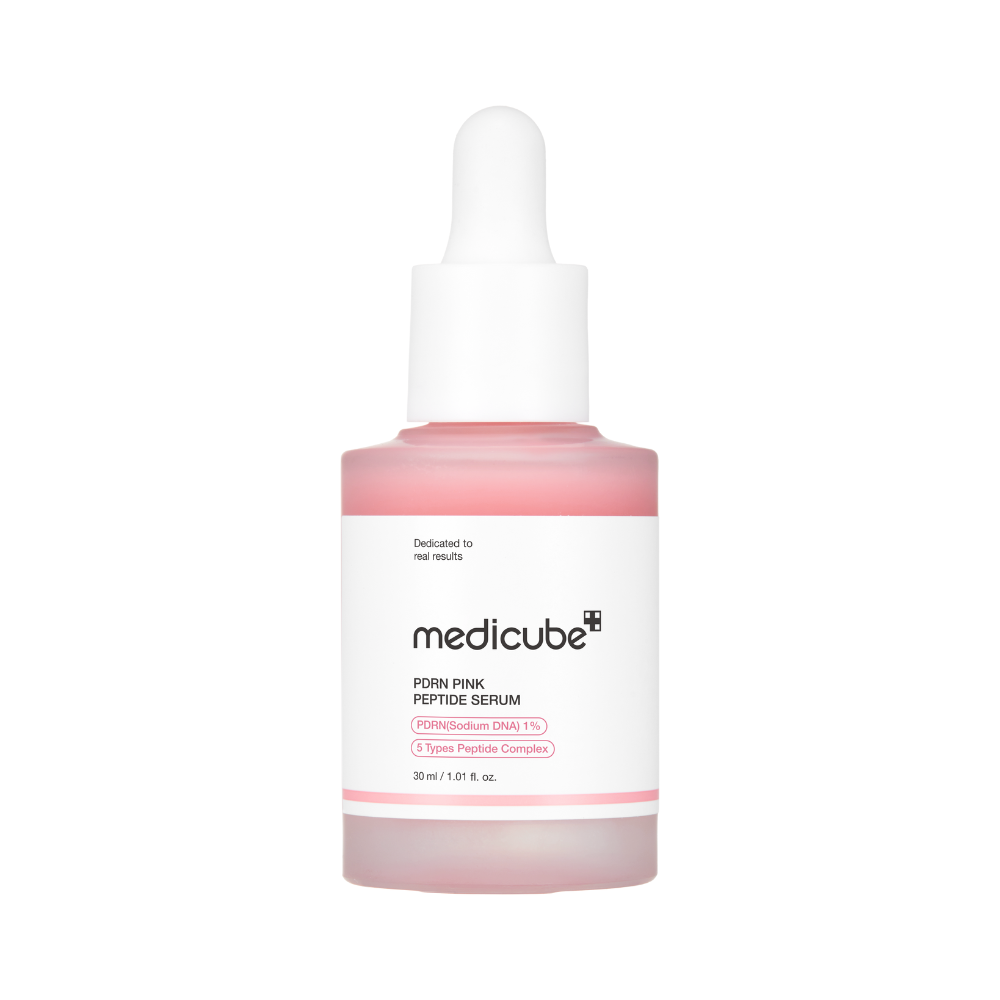
Korean formulations often blend several of these together — sometimes five or six different peptide types in one ampoule — rather than building a product around a single peptide complex the way many Western brands do.
How Korean Peptide Products Differ
Layering-friendly textures. Korean skincare culture is built around multi-step routines, so peptide ampoules and serums are usually formulated to be lightweight and layerable rather than rich, heavy treatments meant to be used alone.
Fermented ingredient pairing. It's common to see peptides combined with fermented extracts (rice, galactomyces) or centella asiatica, which support the skin barrier while the peptides do their signaling work.
Multi-peptide complexes over single-hero formulas. Where a lot of Western peptide serums market one specific peptide complex as the hero ingredient, Korean brands more often blend several types of peptides at lower individual concentrations, aiming for a cumulative effect rather than one standout active.
Gentler, daily-use positioning. Many K-beauty peptide products are formulated to be used twice daily indefinitely, rather than as a periodic treatment — they're treated more like a moisture and repair step than a "spot fix."
Do Peptides Actually Work?
The research is genuinely promising, particularly for signal peptides and collagen production, though most clinical studies use specific isolated peptide complexes rather than the multi-peptide blends typical in skincare products — so results in a real-world serum won't be identical to a lab study. What peptides won't do is deliver fast, dramatic change. They're a long-game ingredient, generally needing 8-12 weeks of consistent use before you notice a difference in firmness or texture.
How to Add Peptides to a Routine You Already Have
-
If you already use a hydrating serum or essence, that's the easiest slot to replace with a peptide version, they layer the same way.
-
Apply peptides before heavier creams and oils, since they work best on slightly damp, freshly cleansed or toned skin.
-
Pair carefully with actives. Peptides generally play well with niacinamide and hyaluronic acid. Be more cautious combining them with direct acids (AHAs/BHAs) or retinoids in the same routine step — the pH shifts and irritation potential can reduce how well peptides are absorbed, so many people alternate AM/PM rather than layering them together.
- Sunscreen still matters most. No peptide compensates for skipping SPF — collagen support means little if UV damage is undoing it.
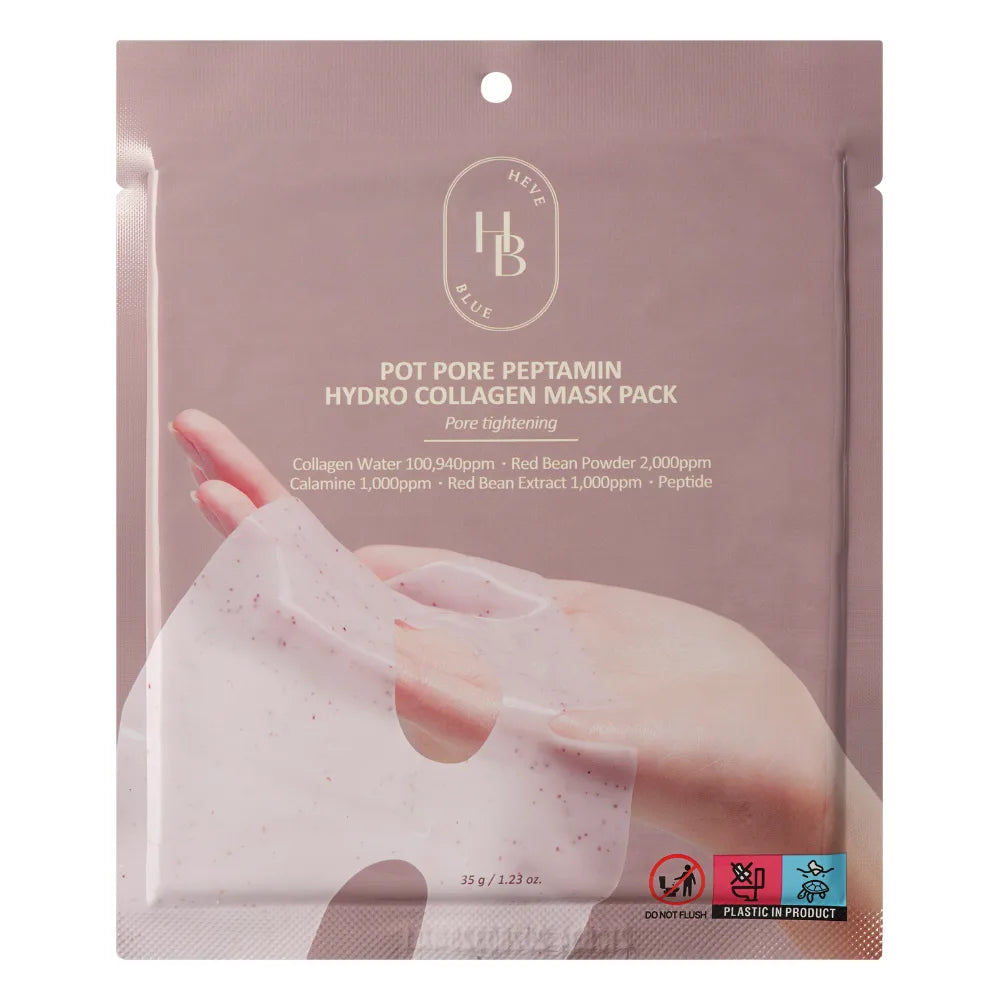
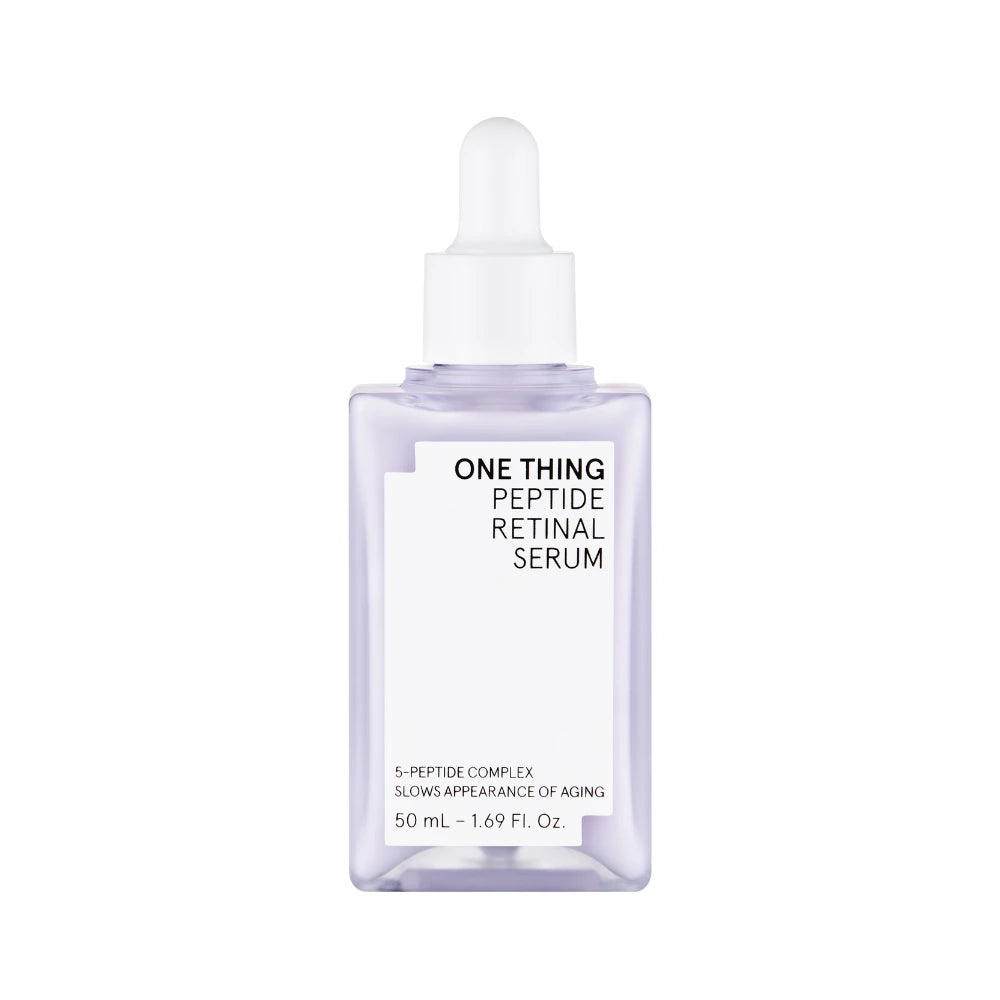
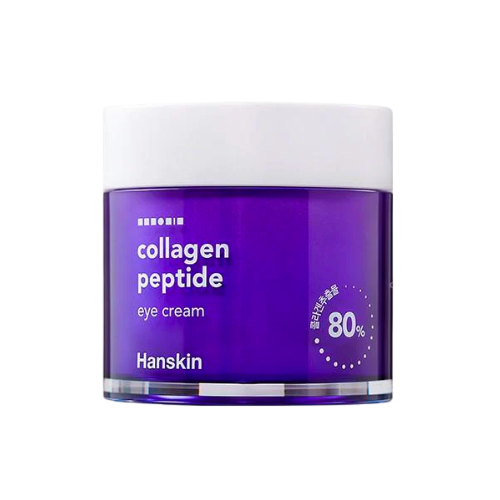
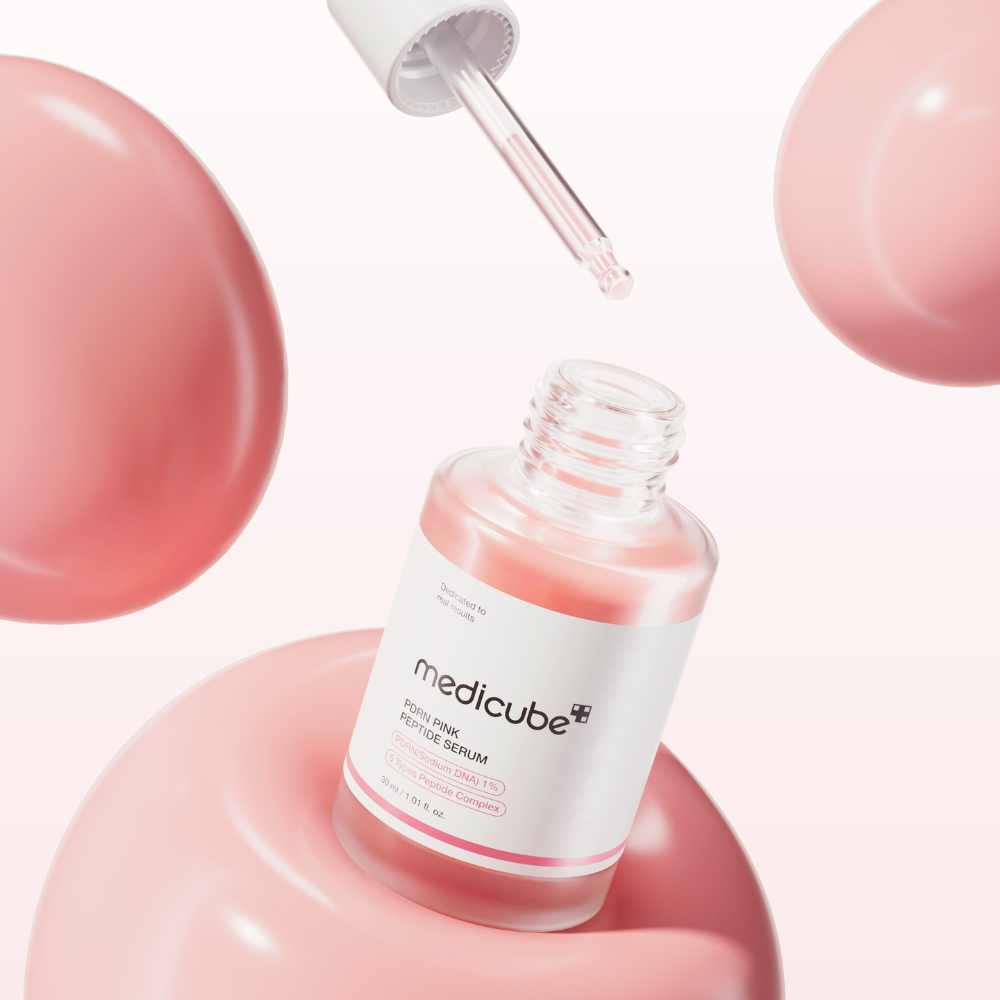
Peptide Products to Try
The Bottom Line
Peptides are less of a quick fix and more of a long-term investment in skin resilience, which fits naturally if you already have a consistent routine and just want to upgrade it rather than overhaul it. Korean formulations tend to make that upgrade easy, since multi-peptide ampoules and serums are built to slot into an existing routine rather than replace it.
If you're picking your first peptide product, start with a multi-peptide serum or ampoule with a few supporting ingredients (centella, niacinamide) rather than a single-peptide spot treatment, it'll be more forgiving while you figure out how your skin responds.
Frequently Asked Questions
Can I use peptides and vitamin C together?
Generally yes, but vitamin C (especially L-ascorbic acid) works best at a low pH, which can affect how stable peptides are. The safer bet is using vitamin C in the morning and peptides at night, or layering vitamin C first and waiting 10-15 minutes before applying peptides if you want to use both in the same routine.
Can I use peptides with retinol?
Yes, and they actually pair well, retinol speeds up cell turnover while peptides support collagen production, so they're complementary. Since retinol can be irritating on its own, many people apply peptides first to support the skin barrier, then retinol on top, or alternate nights if their skin is sensitive.
How long until I see results from peptides?
Most people notice a difference in firmness or texture after about 8-12 weeks of consistent use. Peptides work gradually by signaling collagen production, so they're not a fast-acting ingredient — daily use matters more than product strength here.
Can sensitive skin use peptides?
Yes, peptides are generally one of the more gentle active ingredients and are often used specifically in barrier-repair products. They don't exfoliate or increase sun sensitivity the way acids or retinoids do, making them a good entry point for sensitive skin starting actives for the first time.
Is a higher peptide percentage always better?
Not necessarily. Peptides work through cell signaling rather than a dose-dependent reaction, so above a certain concentration, more doesn't translate to proportionally more effect. Formulation quality, peptide type, and how well the product is layered into a routine matter more than chasing a higher percentage number.














Leave a comment