




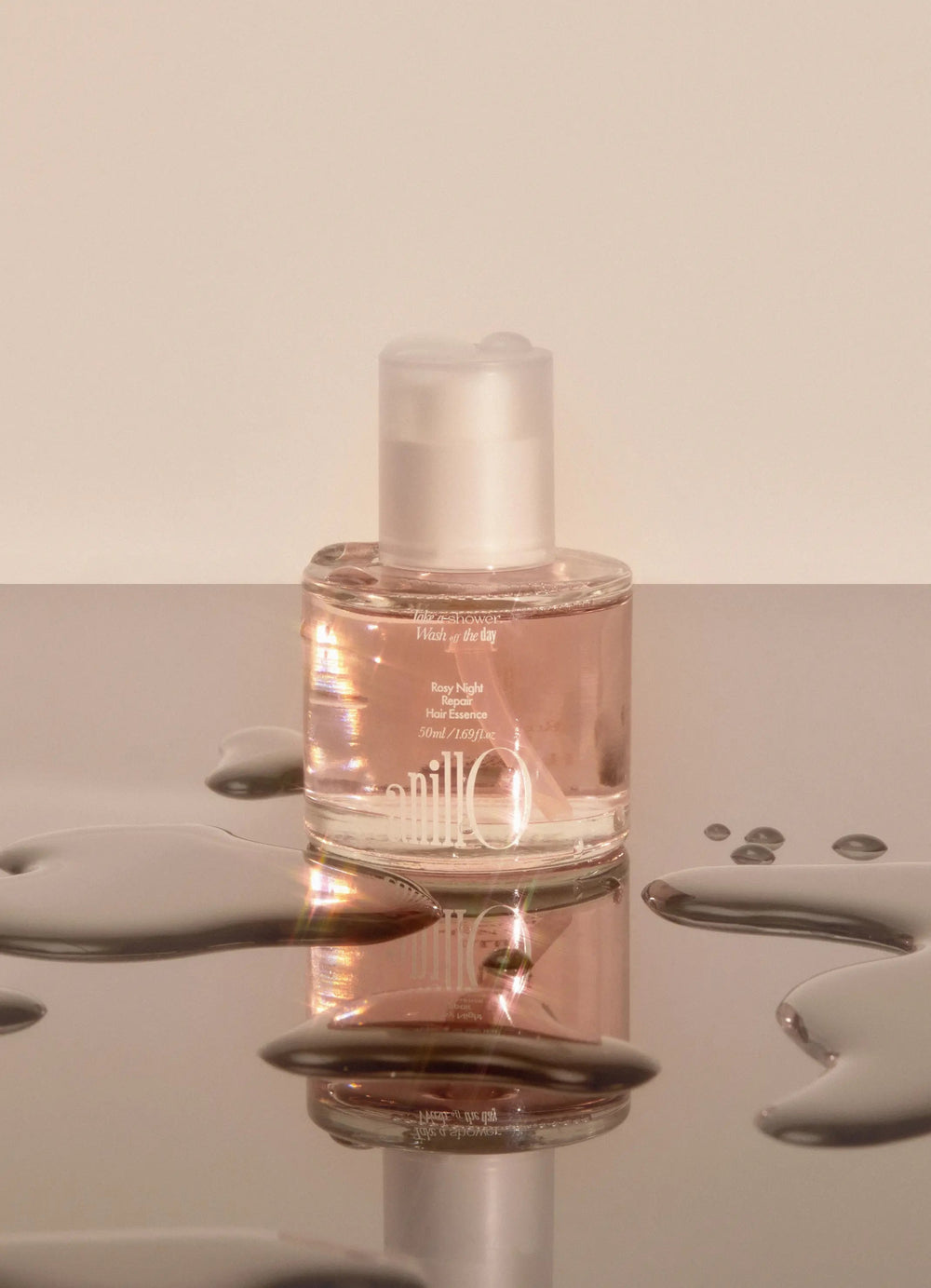

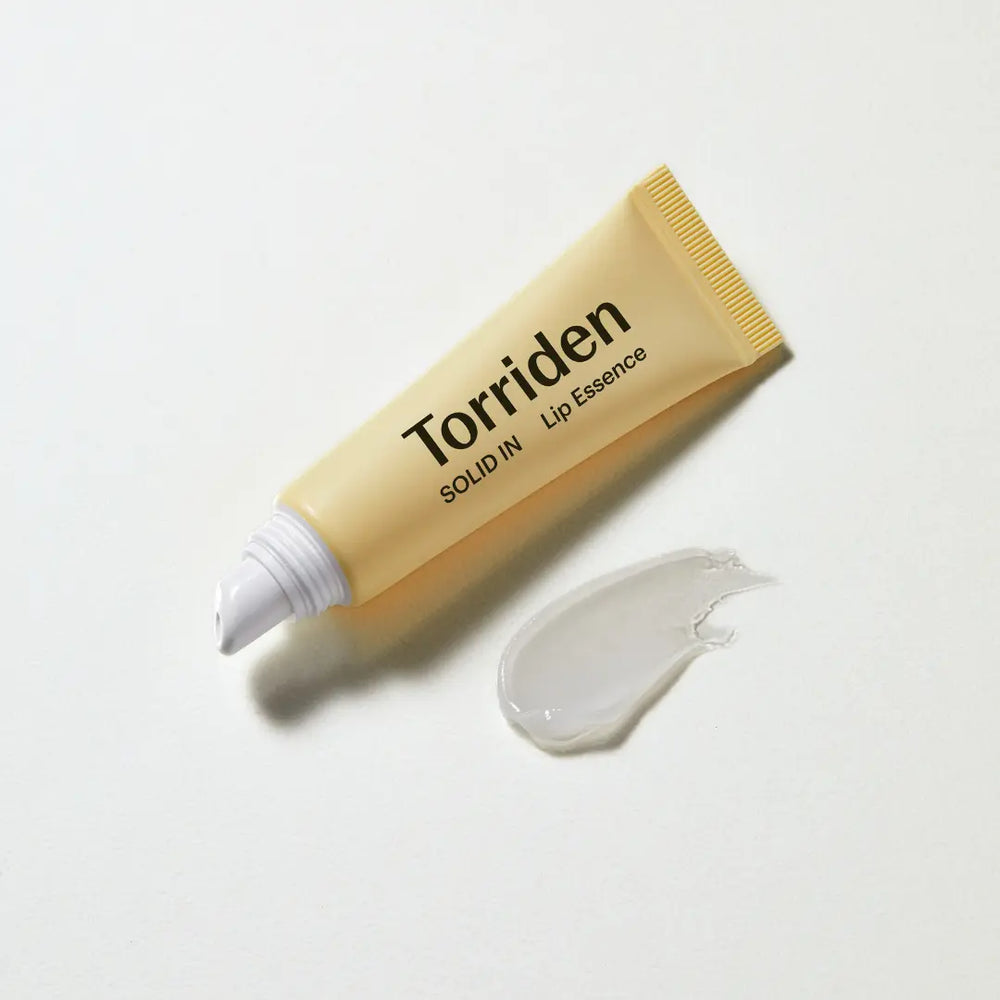








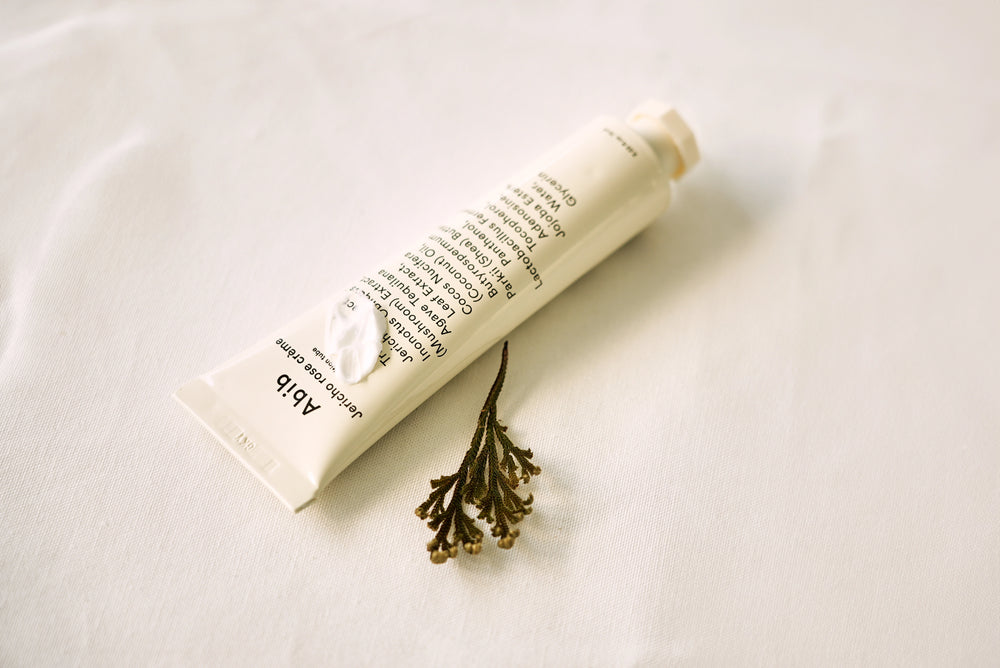


If your feed has suddenly filled up with pastel bottles, soft-focus "milk bath" close-ups and captions calling out "milky skin," you've spotted one of the biggest shifts in K-beauty right now. After years of chasing high-shine "glass skin," Korean skincare is leaning into something gentler, products with a genuinely milky texture, built around comfort rather than intensity.
The good news is this isn't a trend you need a ten-step haul to try. It's really about texture and a handful of ingredients, and PURESEOUL already stocks the real thing.
Milky skin vs. glass skin: what's the difference?
Glass skin was always about reflection, a smooth, poreless surface with a wet-look shine, usually built with watery essences and dewy finishes. Milky skin is softer than that. Think a soft-focus, blurred glow rather than a mirror finish, skin that looks nourished and calm rather than polished. It's less about how much light bounces off your face and more about how comfortable and "fed" your skin looks.
Dermatologists point out that most "milky" products don't actually contain dairy, the name describes the texture and consistency, not the ingredient list. What ties them together is a lightweight, opaque, lotion-like feel that sits between a watery toner and a heavy cream, plus a formula built around barrier-supportive ingredients like ceramides, rice extracts and soothing botanicals rather than exfoliating acids or heavy actives.
Ingredient spotlight: what makes a product "milky"
| Ingredient | What it does | Where you'll find it |
|---|---|---|
| Rice extract / rice bran | Brightens, softens texture and supplies amino acids that support the barrier | Beauty of Joseon, TIRTIR, I'm From |
| Ceramide NP (and ceramide complexes) | Rebuilds the lipid layer that keeps moisture in and irritants out | By Wishtrend, TIRTIR, ATOPALM, Derma:B, Shaishaishai, Real Barrier |
| Soymilk ferment filtrate | A plant-based "milk" that fortifies the barrier and adds slip | TIRTIR |
| Oat kernel extract | Calms and softens, with antioxidant benefits | By Wishtrend, Purito SEOUL |
| Urea | A humectant that draws in and holds onto moisture | Shaishaishai |
| Panthenol (Pro-Vitamin B5) | Locks in hydration and reduces irritation | Found across most of the picks below |
| Niacinamide | Brightens and reinforces the skin barrier | TIRTIR, Purito SEOUL |
| Mung bean | A gentle, purifying plant extract used in cleansers | Beplain |
None of these are aggressive actives, which is exactly the point, milky skincare is designed to be layered generously without overwhelming the skin.
Building a milky routine
1. Start with a milk cleanse
Milky skincare starts at the sink. A cleansing milk removes makeup and SPF with a creamy, non-foaming texture, then a gentle low-pH foam finishes the job without stripping anything back out.
- Torriden DIVE IN Cleansing Milk (£20.00) the cult-favourite first cleanse, a true "milk" texture that melts off makeup and SPF.
- Beplain Mung Bean pH-Balanced Cleansing Foam (£18.80) a soft, creamy foam that keeps the skin's moisture balance intact for the second cleanse.
2. Swap your toner for a milky lotion
This is the heart of the trend. Instead of a watery, refreshing toner, milky toners have real body to them, closer to a lightweight lotion — and they're built to brighten and hydrate at the same time.
- Beauty of Joseon Glow Replenishing Rice Milk (£16.00) the toner that arguably started the whole trend, using rice extract and amino acids to hydrate while controlling shine.
- TIRTIR Milk Skin Toner (£21.00) niacinamide and rice bran extract for brightening, plus ceramide and cica to keep things calm.
- I'm From Rice Toner (£26.50) a genuinely milky texture built on 78% rice extract, aimed at dull, dehydrated skin.
3. Layer a milky essence or ampoule
Once your skin is prepped, a milky ampoule adds a concentrated dose of barrier-repair ingredients without the weight of a heavy serum.
- By Wishtrend Ceramide Milky Ampoule (£27.40) ceramide NP, panthenol and oat kernel in a fast-absorbing, fragrance-free formula.
- TIRTIR Ceramic Milk Ampoule (£29.00) soymilk ferment, squalane and six types of ceramide for a serum-essence hybrid that's especially good for dry skin.
- Real Barrier Extreme Cream Ampoule (£22.00) a cream-in-ampoule hybrid with three ceramide types, panthenol and madecassoside, for anyone who wants ampoule-level absorption with real cream comfort.
4. Choose a milky moisturiser
The finishing cream is where "milky" texture really shows off, light enough to sink in quickly, but rich enough to hold moisture in place.
- Shaishaishai Liposome Repair Milky Cream (£20.00) liposome technology and ceramides for long-lasting hydration in a genuinely milky, lightweight texture.
- ATOPALM MLE Lotion (£26.00) a fluid, non-sticky lotion using ATOPALM's ceramide-based MLE technology, gentle enough for sensitive and reactive skin.
5. Finish with a milky-finish sunscreen
A tone-up or milky-finish sunscreen fits the whole aesthetic perfectly, soft, blurred coverage that protects without looking heavy.
- d'Alba Waterfull Tone-Up Sun Cream SPF50+ PA++++ (£26.00) a subtly tinted, genuinely milky tone-up sunscreen that brightens as it protects.
- Purito SEOUL Daily Soft Touch Sunscreen SPF50+ PA++++ (£16.00) described by the brand as a "light, milky texture with a soft powder finish," ideal for oily and combination skin.
6. Treat with a milky mask once a week
Round the week off with a mask that leans into the same soft, comforting territory.
- Shaishaishai Repair Milky Urea Cream Gel Mask (£4.00) 20,000ppm urea, niacinamide and ceramides in a single-use gel mask for an intensive top-up.
- Real Barrier Extreme Cream Mask (£2.50) a sheet mask soaked in the brand's bestselling creamy essence, with omega-ceramide-16, panthenol and cica for an intensive top-up.
Milky body care, too
The trend doesn't stop at the face, "milk bath" body care is just as much a part of the moment, and it's an easy way to bring the same softness to the rest of your skin.
- Derma:B CeraMD Repair Cream (£19.00) a large 430ml pump of ceramide, panthenol and shea butter cream for soothing dry, sensitive skin from neck to toe.
A sample milky routine
Morning: cleansing milk or gentle foam → milky toner → milky ampoule → milky moisturiser → milky-finish SPF
Evening: cleansing milk → low-pH foam → milky toner → milky ampoule → milky moisturiser → milky mask (1–2 evenings a week)
There's no need to buy every product listed above — pick one milky pick per step and build from there.
The takeaway
Milky skincare is less a new set of ingredients and more a new mood, soft, comforting textures built around ceramides, rice and gentle plant "milks," aimed at a calm, nourished-looking finish rather than a high-shine one. Swap in a milky toner and moisturiser, add an ampoule if your skin needs extra barrier support, and finish with a milky-finish SPF, and you've got the trend covered without changing your whole routine.
Do milky skincare products actually contain milk?
Almost never. The word describes the texture, opaque, lightweight and lotion-like — rather than a dairy ingredient. Some products do use plant "milks" like soymilk ferment or rice milk, which are genuinely derived from those ingredients.
Is milky skincare the same as "skinimalism"?
They overlap. Both favour simple, comforting routines over long lists of aggressive actives, which is part of why milky textures have become so popular alongside the minimalist skincare movement.
Can I use milky products if I have oily skin?
Yes, look for lighter milky toners and gel-creams, like the rice-based toners or the Purito sunscreen above, rather than the richest cream options.
Can I mix milky products with my existing actives?
Generally yes. Milky products tend to be low-irritation, so they layer well with existing serums — just introduce anything new one at a time to see how your skin responds.


Leave a comment