















Retinoids are the most clinically proven anti-ageing ingredient in skincare. Dermatologists have been recommending them for decades. The research is overwhelming. And yet, the retinol conversation is still dominated by horror stories. Peeling, purging, burning, a week of looking worse before you look better.
Here's the thing: most of those stories come from people who used Western retinol formulas. High percentages, no buffer ingredients, no phased introduction, and zero attention paid to the barrier underneath.
K-beauty does retinoids differently. The same active, but wrapped in a philosophy that prioritises your skin's health first, with gentler delivery formats, lower entry-point concentrations, and formulas packed with barrier-supporting ingredients that work alongside the retinoid rather than just dumping it onto your face and hoping for the best.
If you've been nervous about starting retinoids, this is your guide.
What Are Retinoids, and How Do They Work?
Retinoid is the umbrella term for all vitamin A derivatives in skincare. Most topical retinoids aren't active in the form you apply them, they need to be converted by enzymes in your skin into retinoic acid, the form your skin can actually use.
Here's the conversion chain, from weakest to strongest:
Retinyl esters → Retinol → Retinal (Retinaldehyde) → Retinoic acid (Tretinoin)
Every step closer to retinoic acid means faster, more potent results, but also more potential for irritation. The genius of K-beauty's approach is choosing the right point on that ladder for your skin and building up gradually.
What does retinoic acid actually do when it gets there? It works at a cellular level, binding to receptors in the skin that regulate cell turnover, collagen production, and melanin distribution. The practical results: smoother texture, softer fine lines, faded hyperpigmentation, clearer skin, and a general refinement that's hard to get from anything else. It's the one ingredient that genuinely does it all.
Retinol vs. Retinal: Which Should You Start With?
This is the most common question, and the answer depends on your skin and your experience with actives.
Retinol is the classic entry point. It requires two conversion steps to become active, which means slower results (expect 8–12 weeks to see meaningful change) but also a gentler introduction. It's the most well-studied OTC retinoid and the format most K-beauty brands have built their retinoid lines around.
Retinal (Retinaldehyde) is one step closer to retinoic acid, only one conversion needed. Studies suggest it works up to 11 times faster than retinol at comparable concentrations, and because it also has natural antimicrobial properties, it's particularly effective for acne-prone skin. Here's the K-beauty twist: many retinal formulas are remarkably well-tolerated, sometimes gentler than high-percentage retinols, because K-beauty brands have focused on the delivery system as much as the active itself.
The K-beauty approach: rather than jumping straight to the highest percentage available, start at the lowest effective concentration and build. A 0.03%–0.05% retinal or a 0.025%–0.1% retinol is where most K-beauty beginners start — and staying there for 8–12 weeks before stepping up is the norm, not the exception.
Why K-Beauty Retinoids Are Different
The difference isn't just marketing. K-beauty retinoid formulas are structurally different from most Western equivalents in a few important ways:
Barrier-first formulation. K-beauty retinoids are almost always formulated with barrier-supporting ingredients built in, ceramides, centella asiatica, panthenol, hyaluronic acid, niacinamide. These aren't afterthoughts; they're designed to work alongside the retinoid to minimise irritation and support the skin while it adjusts. Some brands describe this as "retinoid + skincare" rather than "retinoid in skincare."
Lower entry concentrations. Where Western brands often lead with 0.5% or 1% retinol, K-beauty brands typically offer a graduated range starting much lower. This makes it far easier to start gently and build at your own pace.
Elegant textures. K-beauty retinoids are rarely the thick, heavy creams that dominated the category for years. Lightweight serums, watery essences, and gel-cream hybrids make them easier to layer in a multi-step routine without adding weight or clogging pores.
pH-conscious formulation. Retinoids are pH-sensitive — they perform best in a slightly acidic environment. K-beauty brands tend to pay closer attention to pH across their ranges, which means their retinoids are formulated to work effectively within a properly balanced routine.
Shop the Edit: K-Beauty Retinoids at PureSeoul
Serums & Boosters
Celimax
Celimax Vita A Retinal Shot Tightening Booster
The cult K-beauty retinal that took the skincare world by storm, and for good reason. This anti-ageing booster combines nano-sized 0.1% retinal with liposomes for gentle yet effective pore and elasticity care, with panthenol and Matrixyl 3000 peptides to firm and smooth skin.The pointed-tip tube gives precise control over how much product you use, which matters with retinal, a pea-sized amount goes a long way and too much too soon is a common beginner mistake. One of the best first retinal experiences available.
Best for: Beginners ready to try retinal; fine lines, pores, and firming
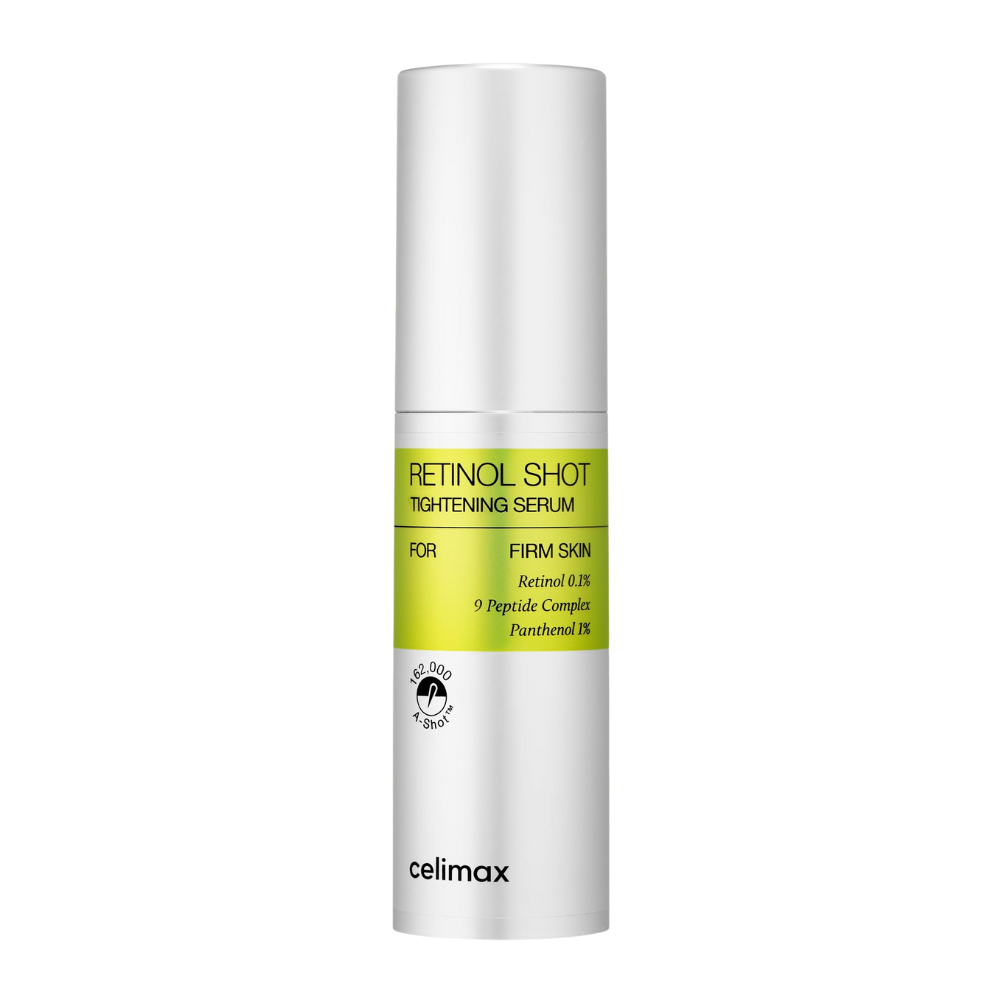
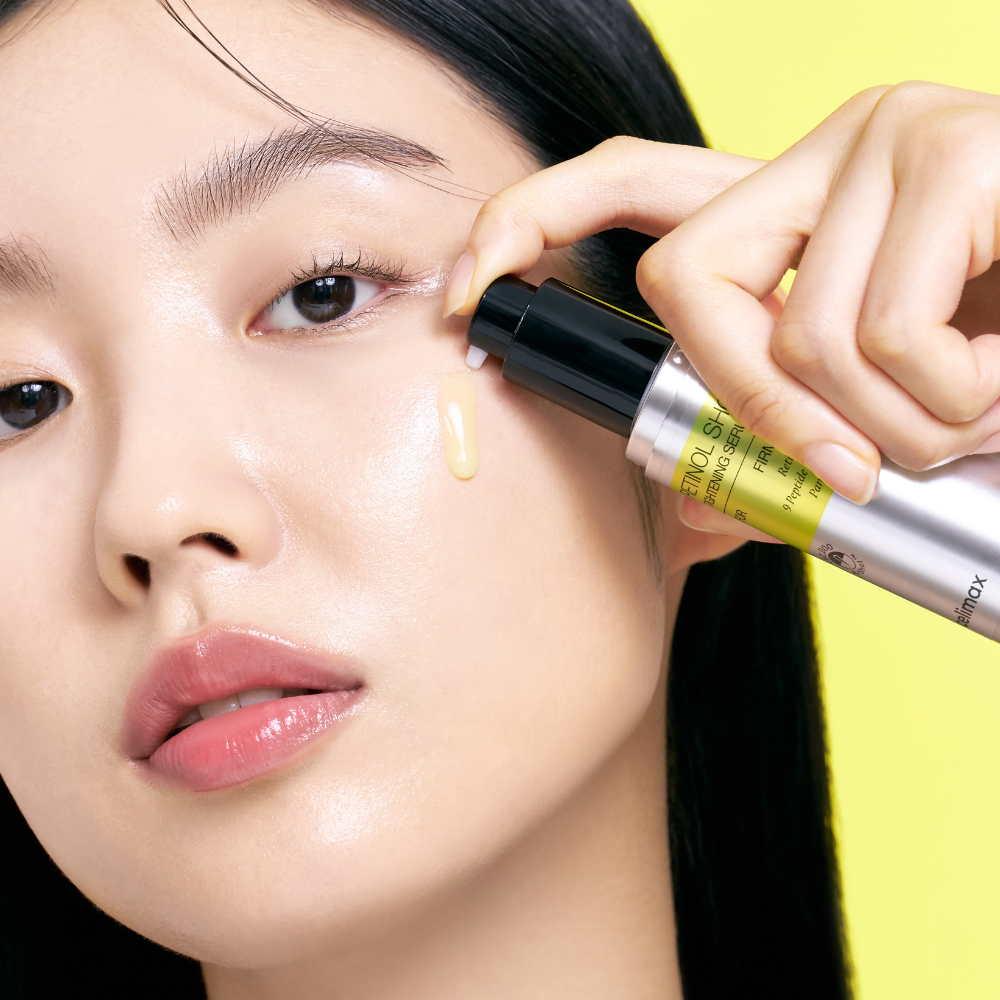
Celimax Vita A Retinol Shot Tightening Serum
The gentler sibling to the Retinal Booster, and an excellent true beginner entry point. It contains 0.1% pure retinol alongside a 9-peptide complex and 1% panthenol, and is gentle enough for a beginner's routine. It's best used in an evening routine and started every second day, before slowly increasing to daily use.A-Shot™ technology, a refined micro-particle ingredient 16 times thinner than pores, enhances absorption of active ingredients directly into pores.
Best for: First-time retinoid users; anyone who found the Retinal Booster too strong
Hanskin
Hanskin Vitamin A Glow Retinol Serum
Hanskin's retinol serum takes a glow-first approach, combining vitamin A with brightening actives for skin that looks more luminous alongside smoother texture and reduced fine lines. A great option for anyone whose primary concern is dullness and uneven tone alongside anti-ageing.
Best for: Dull, uneven skin tone; retinol beginners wanting a brightening focus
Hanskin Low-pH Retinal Serum
One of the more technically considered retinal serums on the market — formulated at a low pH specifically to optimise retinal's stability and efficacy. Retinal is pH-sensitive, and a well-calibrated pH means the active stays potent from first use to last. A smart pick for anyone who's done their retinoid research.
Best for: Those stepping up from retinol to retinal; skincare enthusiasts who care about formulation detail
Tiam
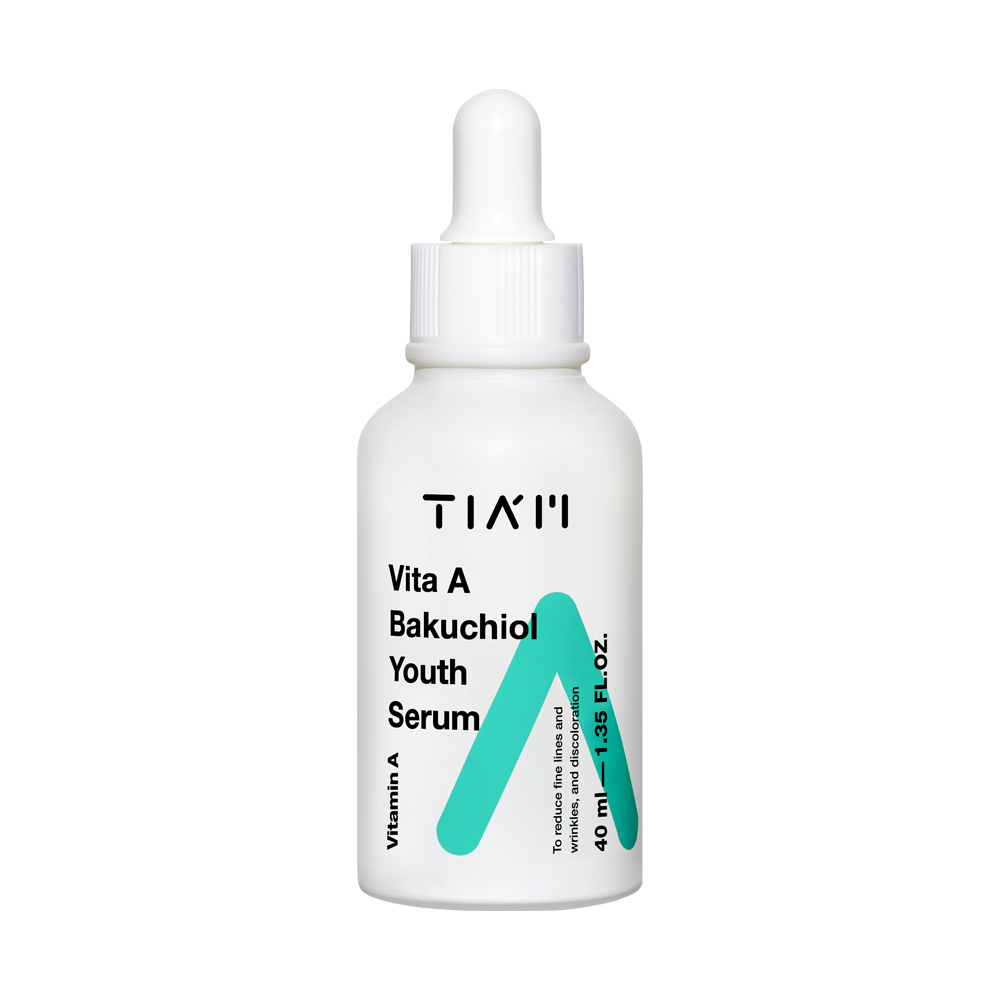
TIAM Vita A Bakuchiol Youth Serum
Bakuchiol is clinically supported as comparable to retinol for photoaging, in a 12-week study it significantly improved lines, wrinkles, elasticity, firmness, and photo-damage, while being far better tolerated than retinol.The TIAM Vita A Bakuchiol Youth Serum combines retinyl palmitate with fish collagen and glycerin for a milky, hydrating texture that absorbs without stickiness. The gentlest vitamin A option in the edit, ideal for anyone not ready for a full retinoid.
Best for: Very sensitive skin; those not yet ready for retinol or retinal; a gentle daily anti-ageing step
One Thing
One Thing Peptide Retinal Serum
One Thing's stripped-back, no-nonsense approach to skincare translates well to retinal, a clean formula that lets the active do the work without unnecessary extras. Paired with peptides for a dual anti-ageing approach that supports collagen production alongside retinal's cell turnover benefits.
Best for: Minimalists; anyone wanting retinal and peptides in a single step
Creams & Moisturisers
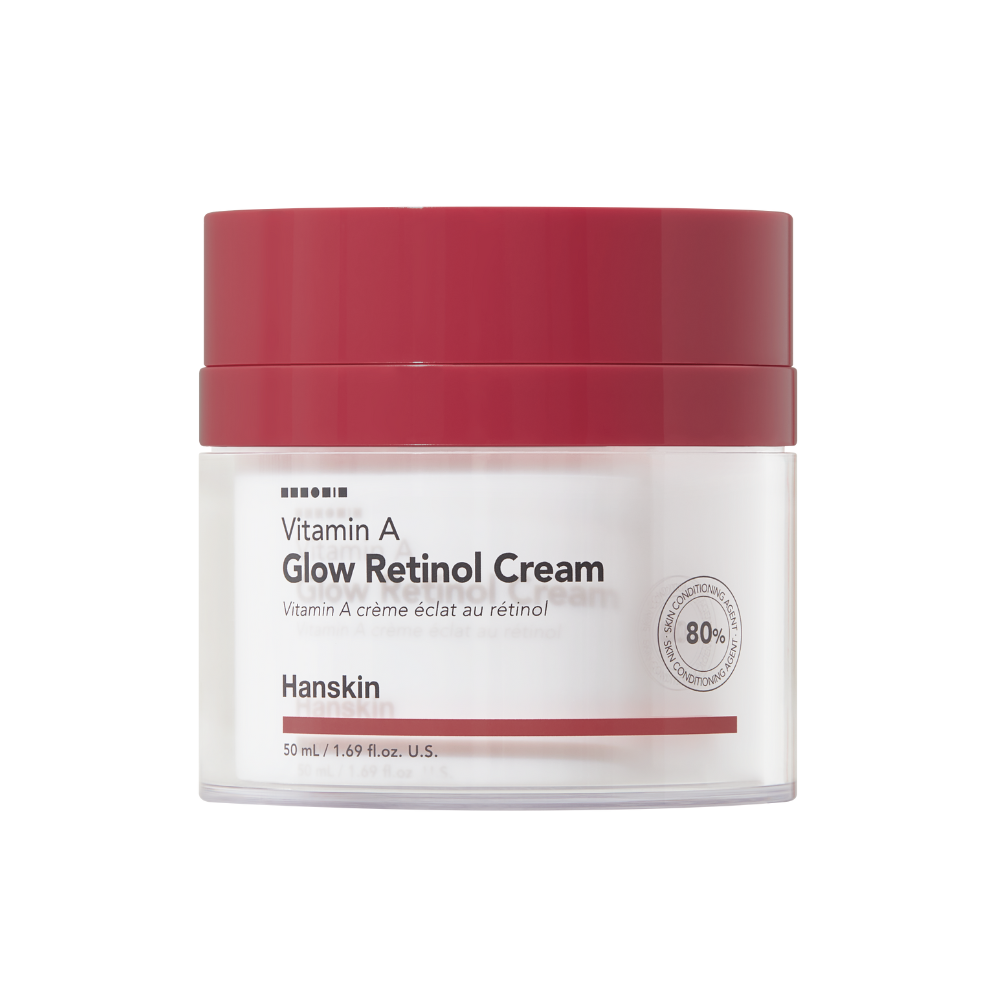
Hanskin Vitamin A Glow Retinol Cream
The cream counterpart to the Hanskin retinol serum, richer in texture and designed as a final moisturising step that also delivers vitamin A's skin-renewing benefits overnight. A good option for dry skin types who need more nourishment alongside their retinoid, or for layering over the Hanskin serum for an intensive vitamin A routine.
Best for: Dry skin; anyone wanting a moisturising retinol step
Sungboon Editor Deep Collagen Retinol Power Boosting Capsule Cream
A uniquely formulated capsule cream that combines retinol with deep-acting collagen for a comprehensive anti-ageing moisturiser. The capsule delivery system protects the retinol from oxidation and ensures it releases gradually into the skin, one of the more sophisticated formats in the edit.
Best for: Those wanting retinol and collagen in one step; anyone looking for a well-aging moisturiser with a difference
By Wishtrend Vitamin A-Mazing Bakuchiol Night Cream
A standout in the K-beauty retinal cream category. Contains bakuchiol working in synergy with retinal to improve skin elasticity and the appearance of dull skin, effective for anti-ageing, moisturising, evening skin tone, and reducing blemishes.The cream is dense yet feels light on skin, leaving a non-sticky and non-greasy finish, impressive for a retinal formula. Ethanol-free, artificial fragrance-free, and vegan-friendly.
Best for: Beginners to retinal in cream form; those wanting retinal + bakuchiol in one step; dry to normal skin
TIAM Vita A Anti-Wrinkle Moisturiser
TIAM's dedicated anti-wrinkle moisturiser brings vitamin A into a daily-use cream format, designed for consistent, long-term results. A straightforward, no-fuss option for anyone who wants their retinoid and moisturiser combined in one step.
Best for: Simplifying your routine; consistent everyday anti-ageing
Hanskin Wrinkle Firming Retinal Cream
Hanskin's retinal cream focused on firming and smoothing, targeting the fine lines, crepiness, and loss of elasticity that come with collagen depletion over time. A stronger retinal option for those already comfortable with retinoids who want a dedicated firming moisturiser step.
Best for: Those already using retinoids wanting to step up; firming and wrinkle-focused skin concerns
Eye Creams & Eye Serums
Beauty of Joseon Revive Eye Serum Ginseng + Retinal
Possibly the most famous K-beauty retinal eye product, and one of the most forgiving first retinal experiences available. The low-dose retinal formula is supported by ginseng and niacinamide, making it gentle enough for the delicate eye area while still delivering real results on fine lines and firmness. Many people use this as a face serum too.
Best for: First-time retinal users; fine lines and firmness around the eye area
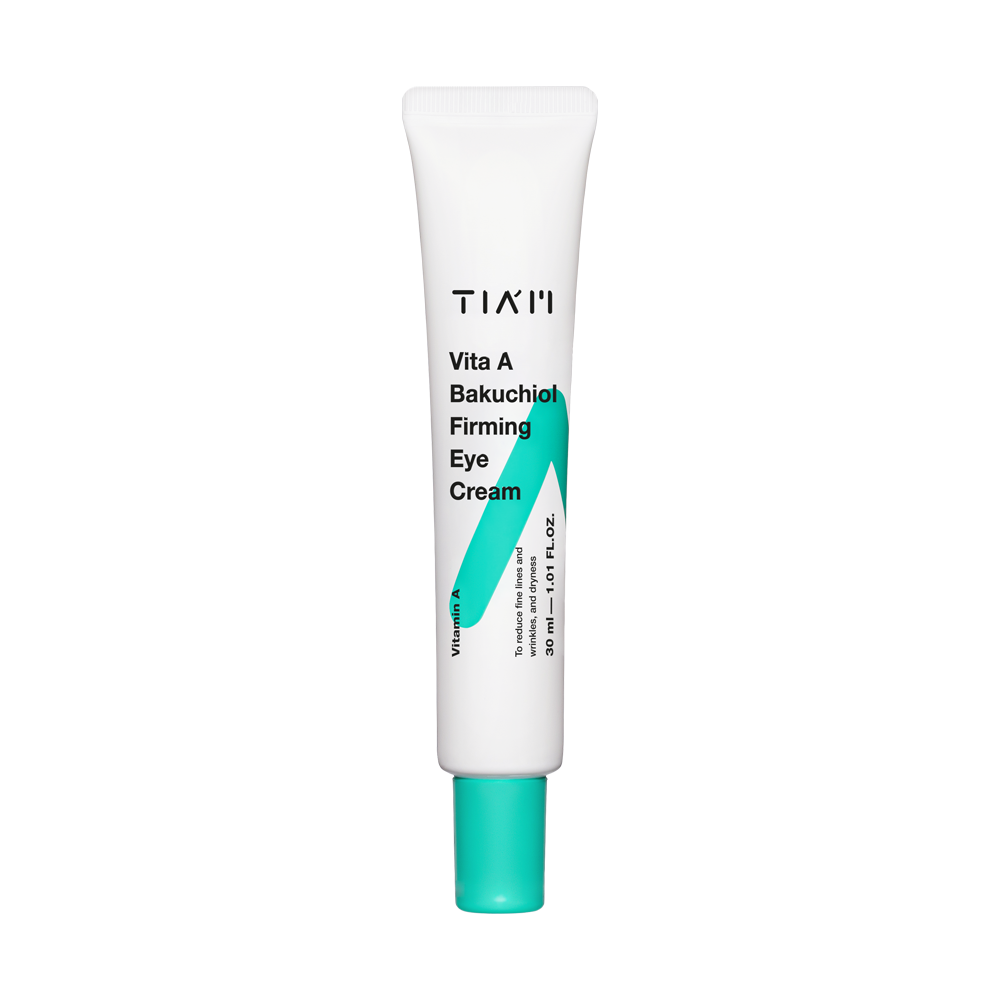
TIAM Vita A Bakuchiol Firming Eye Cream
Brings TIAM's bakuchiol expertise to the eye area, a gentle firming cream that delivers vitamin A's benefits in one of the most irritation-sensitive areas on the face. Ideal for anyone not ready to use a full retinoid eye cream, or as a daytime complement to a retinal eye serum at night.
Best for: Sensitive skin around the eyes; beginners to vitamin A eye care
Glow Apple Retinol Eye Cream
A brightening-focused retinol eye cream that targets both fine lines and the dark circles and dullness that can make the eye area look tired. A good option for anyone whose primary eye area concern is overall radiance alongside anti-ageing.
Best for: Dark circles and dullness alongside fine lines; anyone wanting a brightening retinol eye treatment
Abib Retinal Eye Serum Lifting Roller
The most innovative format in the edit, a retinal eye serum with a built-in cooling metal roller applicator that depuffs and stimulates circulation as you apply. The rolling motion also aids product absorption and gives an instant lifting effect. A genuinely unique experience and a brilliant addition to a morning routine.
Best for: Puffiness and loss of firmness around the eyes; anyone who wants their retinal with a spa-like application experience
How to Start: The K-Beauty Beginner Protocol
Week 1–4: Introduce Slowly
Use your retinoid 2 nights per week only, not consecutive nights. Apply to clean, dry skin (wait 5–10 minutes after cleansing, wet skin increases absorption and irritation). Use a pea-sized amount for the whole face. Follow immediately with a ceramide moisturiser.
Week 5–8: Build Frequency
If your skin has adjusted well, no significant redness, peeling, or stinging, increase to 3 nights per week. Keep everything else in your routine simple on retinoid nights.
Week 9–12: Assess and Adjust
By now your skin should be tolerating the retinoid well. Evaluate: are you seeing the results you want? If yes, continue. If you want to step up, move to the next concentration or consider switching from retinol to retinal for faster results.
The K-Beauty Sandwich Method
If your skin is particularly sensitive or reactive, try the sandwich method: apply a hydrating toner or thin moisturiser, then your retinoid, then your ceramide cream on top. This creates a buffer that slows absorption slightly, reducing irritation risk significantly, perfect for K-beauty's layered routine approach.
Building Your K-Beauty Retinoid Routine
Morning:Low-pH cleanser → Hydrating toner → Vitamin C serum (for daytime antioxidant protection) → Moisturiser → SPF 50+ PA++++
Evening (retinoid nights):Double cleanse → Hydrating toner → Essence → Retinoid serum (on dry skin) → Ceramide moisturiser
Evening (non-retinoid nights):Double cleanse → Hydrating toner → Essence → Treatment serum (niacinamide, peptides, or snail mucin) → Moisturiser
2–3x per week: Sheet mask on non-retinoid nights to keep hydration levels high during the adjustment period
Ingredients That Work Well With Retinoids in a K-Beauty Routine
Niacinamide: calms redness, supports barrier function, and pairs seamlessly with retinoids. Use in the morning or on off-nights for maximum benefit.
Ceramides: non-negotiable during retinoid use. They replenish the barrier lipids that retinoids can temporarily deplete, especially during the first few weeks.
Centella Asiatica (Cica): K-beauty's go-to calming ingredient. Particularly valuable during retinization when skin is adjusting and may feel reactive.
Hyaluronic Acid: keeps skin hydrated without interfering with the retinoid. Apply before your retinoid as part of your toner or essence step.
Peptides: anti-ageing without any irritation risk. Use on off-nights as a complementary collagen-boosting step that works synergistically with retinoids over time.
Bakuchiol: plant-derived, retinoid-like ingredient with its own brightening and smoothing properties. Some K-beauty brands combine low-dose retinoids with bakuchiol for a gentler, more comprehensive result.
Ingredients to Keep Away From Retinoids
AHAs and BHAs on the same night: double exfoliation on retinoid nights is the fastest route to irritation. Use acids on alternate nights.
Vitamin C (L-ascorbic acid) at night: save it for mornings. It can interact with retinoids and cause irritation. Vitamin C derivatives (ascorbyl glucoside, ascorbyl tetraisopalmitate) are gentler if you want a night-time brightening boost.
Benzoyl peroxide: can deactivate retinoids entirely. Keep them on separate nights if you use both.
The Retinization Period: What's Normal, What's Not
Almost everyone experiences some adjustment, this is called retinization. Here's what to expect:
Normal: mild dryness, slight flaking, occasional sensitivity, temporary purging (small breakouts in the first 2–4 weeks as cell turnover accelerates)
Not normal (step back and reassess): significant burning or stinging on application, widespread redness that doesn't calm within an hour, deep painful cysts, severe peeling
If you experience the latter, reduce frequency, switch to the sandwich method, and give your skin more recovery time before trying again. The most common reason retinoids fail beginners isn't the ingredient, it's going too fast.
SPF: Non-Negotiable
Retinoids increase your skin's sensitivity to UV radiation. This isn't a reason to avoid them, it's a reason to take SPF even more seriously. An SPF 50+ PA++++ Korean sunscreen every morning is the single most important companion step to any retinoid routine. Without it, the collagen-stimulating, skin-renewing work your retinoid is doing at night is being undone during the day.
Keep one at your desk. Keep one in your bag. Reapply.
What to Realistically Expect
Weeks 1–4: Possible retinization. Skin may look and feel slightly worse before it improves, this is normal and temporary.
Weeks 4–8: Skin texture begins to refine. Pores look smaller. Skin tone starts to even out.
Weeks 8–12: Meaningful improvements in fine lines, hyperpigmentation, and overall clarity become visible.
6+ months: The full picture, firmer, smoother, more even skin. The results retinoids are known for take time to fully develop, but they're the most lasting in skincare.
The Bottom Line
Retinoids are the most proven ingredient in skincare, and K-beauty has made them more accessible, more tolerable, and more enjoyable to use than ever before. The gentle concentrations, barrier-first formulas, and layered approach mean you don't have to choose between effective and comfortable.
Start low. Go slow. Protect with SPF. And trust the process, because few things in skincare are more worth the patience.
What's the best retinoid to start with in K-beauty?
For complete beginners, a low-concentration retinol (0.025%–0.1%) or a low-dose retinal formula is the ideal starting point. K-beauty brands tend to offer gentler entry-level concentrations with barrier-supporting ingredients built in, making them far less intimidating than many Western equivalents. The Beauty of Joseon Revive Eye Serum: Ginseng + Retinal is one of the most popular first retinal experiences for good reason.
How is retinal different from retinol?
Retinal (retinaldehyde) is one conversion step closer to retinoic acid — the active form your skin uses — making it faster-acting than retinol. Studies suggest retinal works up to 11 times more efficiently than retinol at comparable concentrations. Despite this, many K-beauty retinal formulas are well-tolerated even by sensitive skin, thanks to the barrier-supporting ingredients they're formulated alongside.
How often should I use a retinoid as a beginner?
Start with 2 nights per week for the first 4 weeks — never on consecutive nights. Once your skin has adjusted with no significant irritation, gradually increase to 3 nights, then every other night, then nightly if your skin tolerates it well. Patience at the start means far fewer setbacks later.
Can I use retinoids if I have sensitive skin?
Yes — but with extra care. Start at the lowest available concentration, always use the sandwich method (moisturiser → retinoid → moisturiser), and keep everything else in your routine simple and soothing on retinoid nights. Cica, ceramides, and panthenol are your best supporting ingredients. If irritation persists, consider a retinol and bakuchiol combination formula, which tends to be the gentlest entry point.
Can I use retinoids alongside other K-beauty actives?
Yes, but not all on the same night. Keep AHAs, BHAs, and vitamin C (L-ascorbic acid) for alternate nights or mornings. Niacinamide, ceramides, hyaluronic acid, centella asiatica, and peptides are all safe to use alongside retinoids and actually improve the experience by supporting your barrier.
Do I really need SPF if I only use retinoids at night?
Absolutely. Retinoids increase your skin's sensitivity to UV radiation regardless of when you apply them. SPF 50+ PA++++ every morning is non-negotiable with any retinoid routine — without it, daytime UV damage actively works against the results your retinoid is building overnight.
What is the retinization period and how long does it last?
Retinization is the adjustment phase most people go through when they first start retinoids — it can involve mild dryness, flaking, and occasional sensitivity as your skin adapts. For most people it lasts 2–4 weeks. Going slowly (low concentration, 2x per week) and keeping your routine simple and hydrating significantly reduces how intense it feels.
When will I start seeing results from a K-beauty retinoid?
Texture improvements and pore refinement typically become noticeable around weeks 4–8. More significant changes to fine lines, hyperpigmentation, and skin clarity take 8–12 weeks of consistent use. The full results retinoids are known for — firmer, smoother, more even skin — develop over 6+ months. It's a long game, but the most rewarding one in skincare.














Leave a comment